Chinchilla: A Quiet, Gentle, and Fascinating Companion
Looking for a quiet, gentle, and fascinating pet? Think Chinchilla!
In the world of pets, dogs, cats, rabbits, and guinea pigs often take centre stage. Yet, one animal as elegant as it is mysterious deserves your attention: the chinchilla. Native to the Andes Mountains in South America, this small nocturnal rodent is winning over more and more families with its adorable appearance, incredibly soft fur, and independent temperament.
At Pitou Minou & Compagnons, we believe a great companion isn’t measured by size or popularity. That’s why we offer a deep dive into the domestic chinchilla—its strengths, quirks, challenges, and specific needs. An essential read to understand this unique creature—and maybe discover it’s the companion you’ve been looking for.

Lulu & Marc | Boucherville Location
The benefits of adopting a chinchilla
Maya | Hudson Location
1. A clean, odourless animal
Unlike many small pets, the chinchilla is extremely clean. It doesn’t emit strong body odor, its droppings are dry and nearly odourless, and it grooms itself daily. No need for water baths—it bathes in special dust that absorbs excess oil.
2. Incomparably soft fur
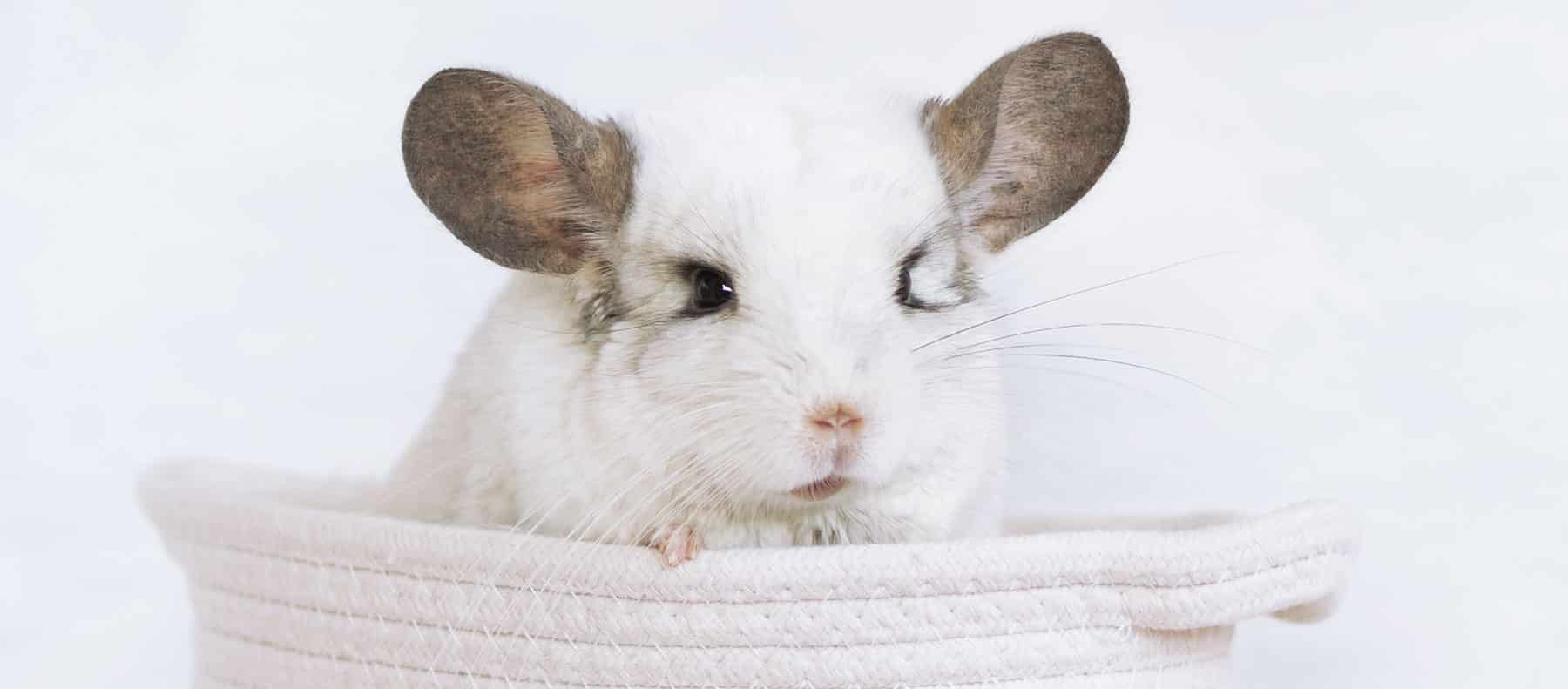
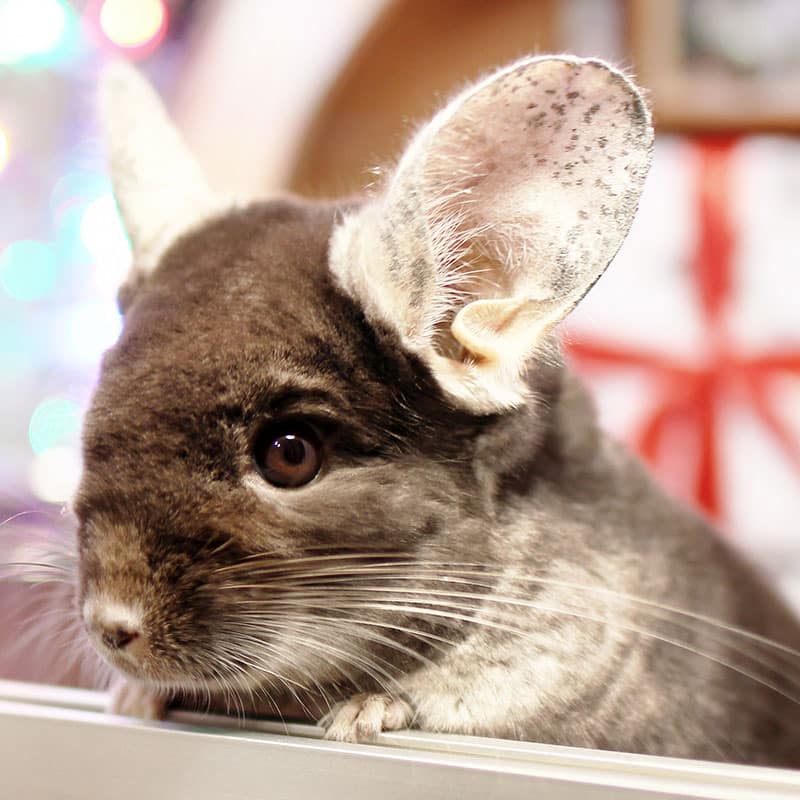
The chinchilla has the densest fur of all land mammals. Its silky coat is often compared to luxurious fur. It’s a delight to handle for both adults and children—provided its fragility is respected.
3. Low allergen potential
Thanks to its dry droppings, lack of scent glands, and hypoallergenic coat, the chinchilla is often well tolerated by people with sensitivities or allergies, though no animal is entirely risk-free.
4. Remarkable longevity
While most small rodents live 2–5 years, chinchillas can live 10 to 15 years—or even longer with proper care. This makes them long-term companions, ideal for stable households ready to commit.
5. A quiet yet endearing presence
The chinchilla is calm, quiet, and independent. It doesn’t demand constant attention but builds a trusting bond with patient and respectful humans. It recognizes voices, routines, and can become affectionate over time.

Betty Boop | Buckingham Location
Typical habits and behaviours
1. Natural chewing
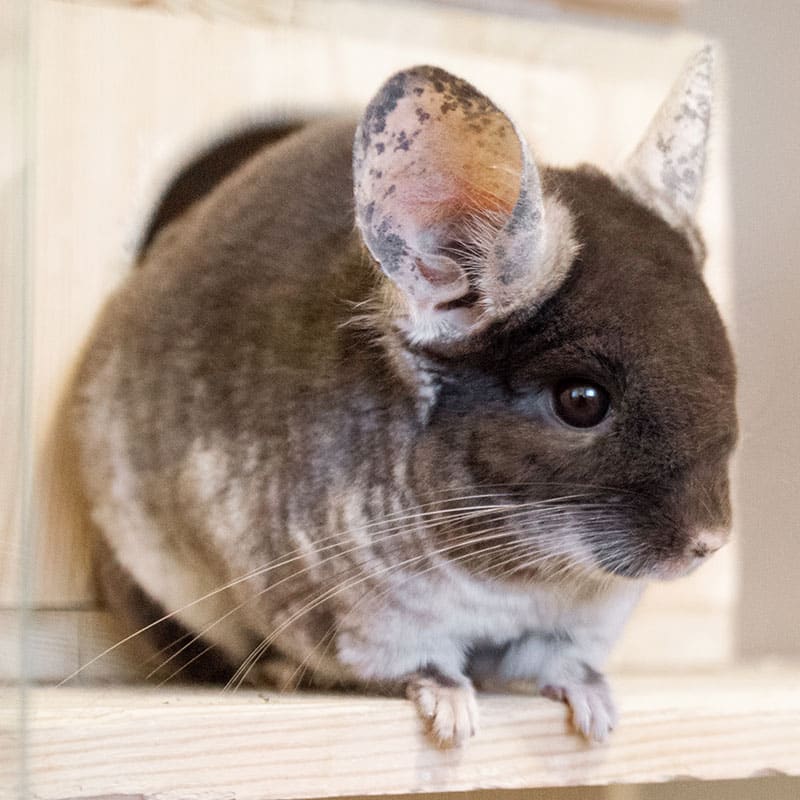
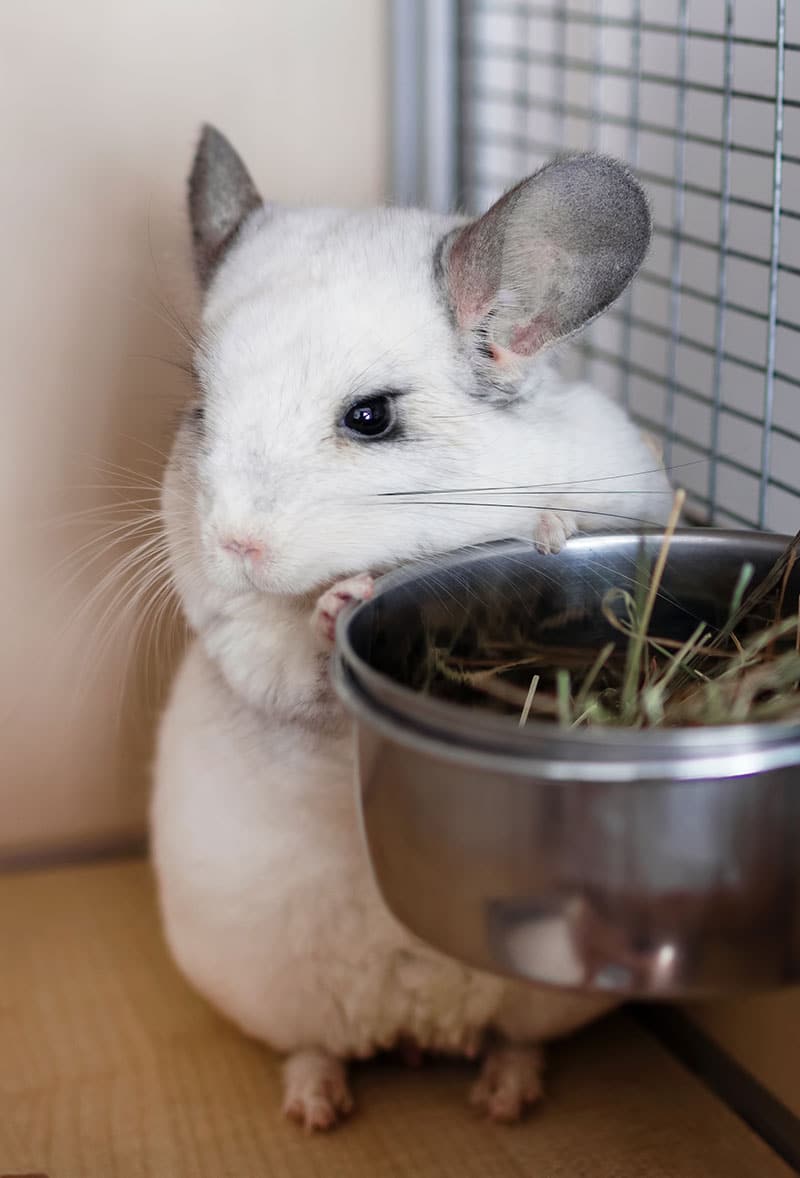
Chinchillas’ teeth grow continuously. They must chew safe items: untreated wood, mineral stones, chew toys. Otherwise, dental pain or serious issues can occur.
2. Nocturnal activity
Their peak activity is between 7 p.m. and midnight—or later. They jump, climb, explore, and run on a silent wheel. During the day, they sleep deeply and prefer not to be disturbed.
3. Intelligence and memory
Chinchillas recognize routines, learn sounds (like a food bag opening), and may respond to their name. With patience and positive reinforcement, they can be trained to return to their cage or use a litter box.
4. Subtle communication
Chinchillas don’t bark or meow. They make soft squeaks, gentle cries, or thump their feet when surprised or annoyed. Learning to recognize these signals is key to good cohabitation.
Health risks to be aware of
1. Heatstroke
Chinchillas are extremely heat-intolerant. At 25°C (77°F), they risk heatstroke—sometimes fatal. A cool, well-ventilated, low-humidity space is essential.
2. Digestive issues
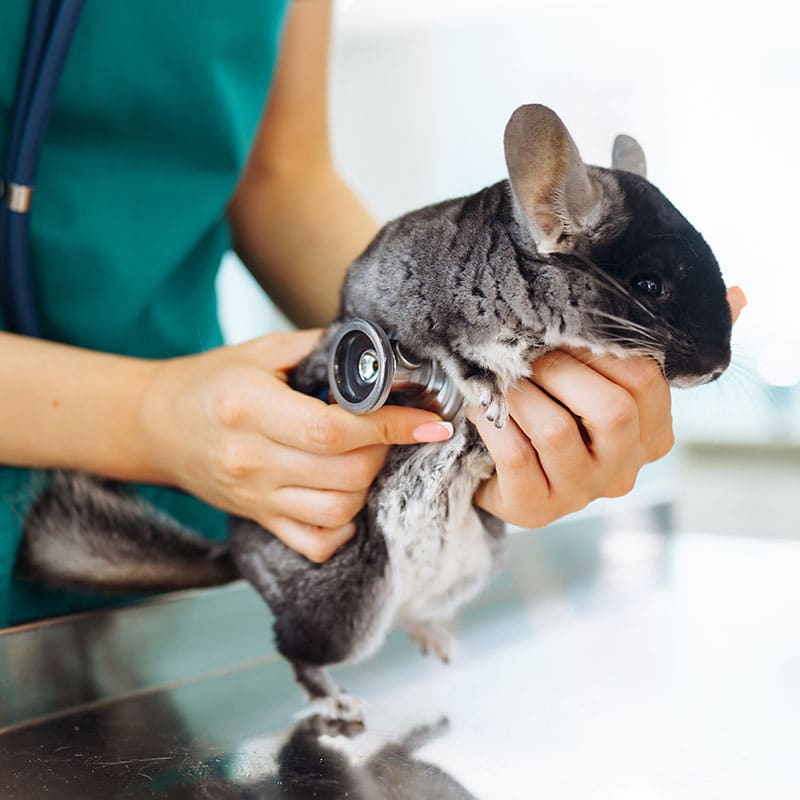
Diet changes, improper treats, or stress can cause bloating, diarrhea, or constipation. These conditions may worsen quickly and require veterinary attention.
3. Dental problems
Overgrown or misaligned teeth can cause appetite loss, drooling, and internal injuries. Dental checks and access to chewable items are crucial.
Is this the right pet for you?
Chinchillas are ideal for:
- Calm, patient, and respectful individuals
- Teens or adults seeking an independent yet affectionate pet
- Homes without small children or predatory animals (e.g., unsocialized cats or dogs)
They are less suited for:
- A child’s first pet
- Noisy or very active households
- People frequently away or living in warm climates
The Pitou Minou & Compagnons expertise to support you
At Pitou Minou & Compagnons, we offer more than just products—we guide you every step of the way:
1. Specialized products and accessories
- Height-appropriate, ventilated cages
- Volcanic dust for bathing
- Certified chinchilla food
- Safe chew toys
- Non-injurious exercise wheels
- Proper bottles and feeding bowls
2. Personalized advice
Our experts are here to:
- Assess your needs and environment
- Explain essential care routines
- Help plan your chinchilla’s integration
- Answer questions about diet, behaviour, and health
3. Educational support
We provide care guides, vet-recommended resources, and practical tips to help you live harmoniously with this noble little creature.
Monsieur | Beauport Location