Your pet is smarter than you think… So why not talk about visual and verbal commands?
Clear Communication for a Richer Relationship With Your Pet
Effectively communicating with your pet is not magic — it’s a matter of training, consistency, and clarity. While humans speak with words, dogs and cats can also learn to recognize verbal signals — as well as gestures, which are often more effective than words.
At Pitou Minou & Compagnons, we believe that establishing a series of visual and verbal commands is one of the greatest gifts you can give your companion. It enhances their understanding, strengthens your bond of trust, and helps build a life together based on respect and cooperation.
In this complete guide, discover how and why to teach your dog or cat simple and clear signals, how to integrate them into your daily life, and how we can support you at every step.
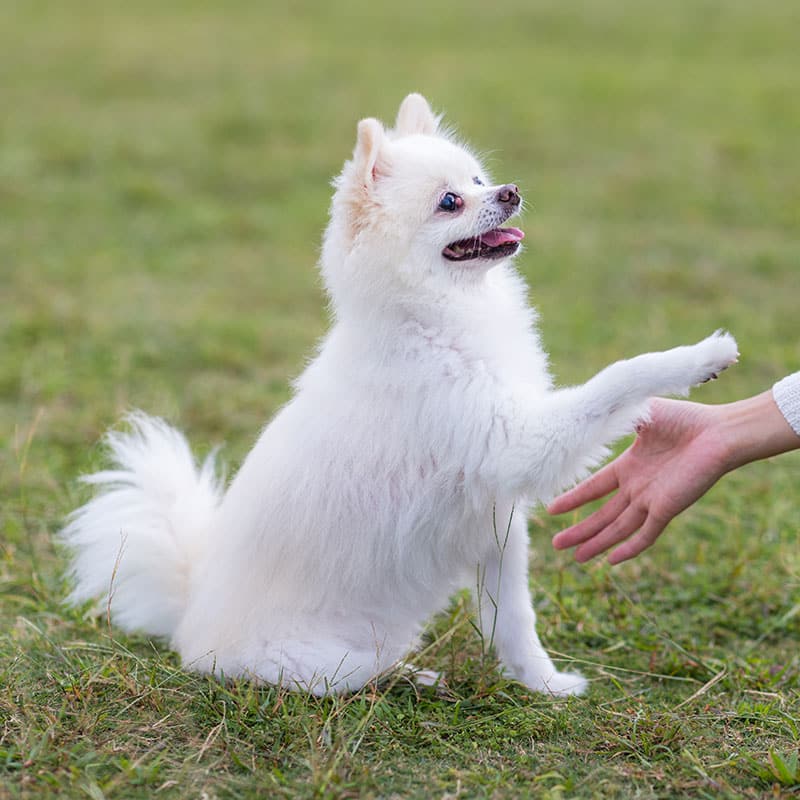
Fluffy | Laval – Ste-Rose Location
Why teach visual and verbal commands?
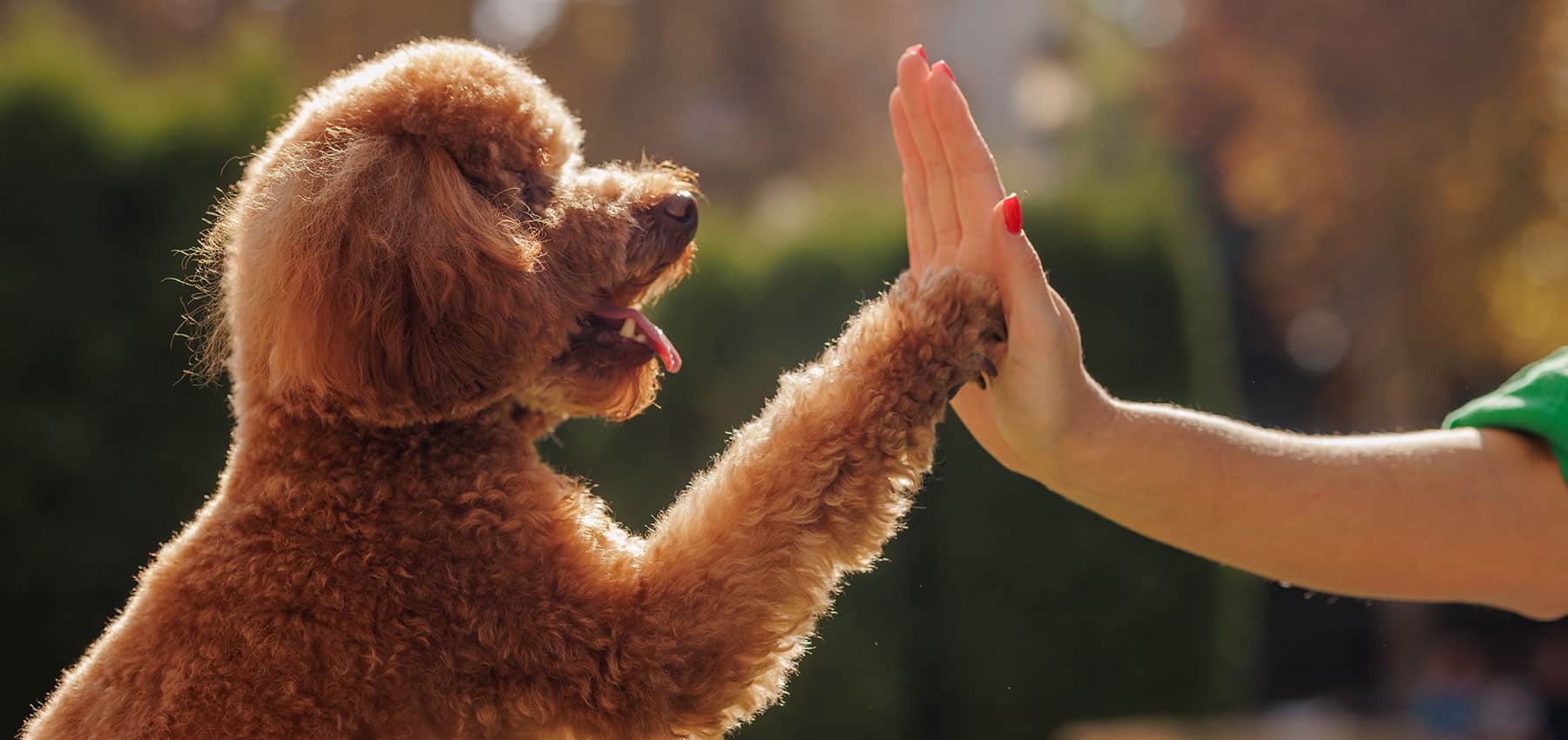
Gigi | Kirkland Location
1. Better Communication
Animals don’t speak our language, but they’re expert decoders. With repetition and clear intent, they learn to associate words with actions and gestures with behaviours.
Combining a verbal command with a gesture increases success because you’re communicating on two channels simultaneously: auditory and visual. This is especially useful in noisy environments or when an animal ages and loses hearing or vision.
2. Strengthening the Bond of Trust
By establishing a shared language with your dog or cat, you give them an active role in the relationship. They understand what’s expected of them, reducing frustration on both sides. It’s also a powerful tool to boost their sense of security.
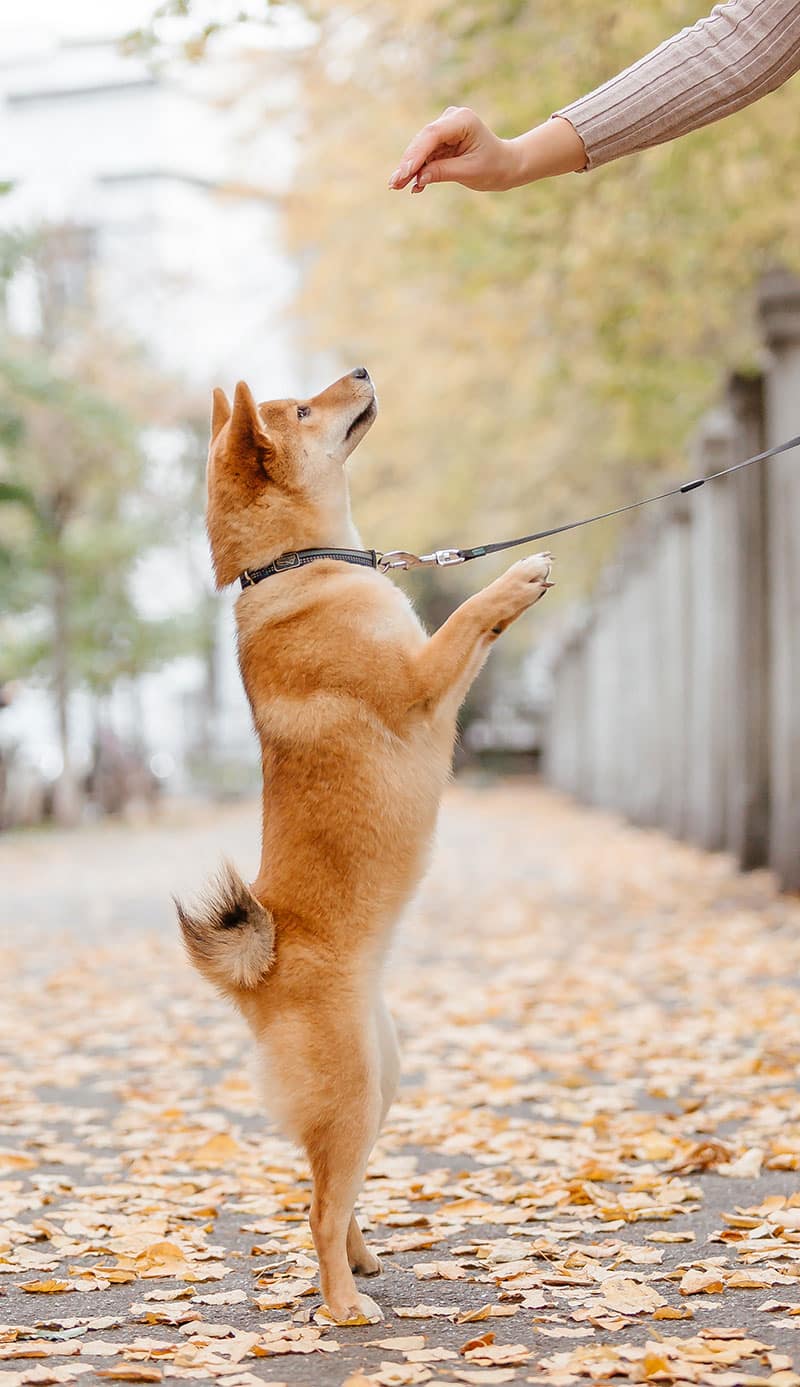
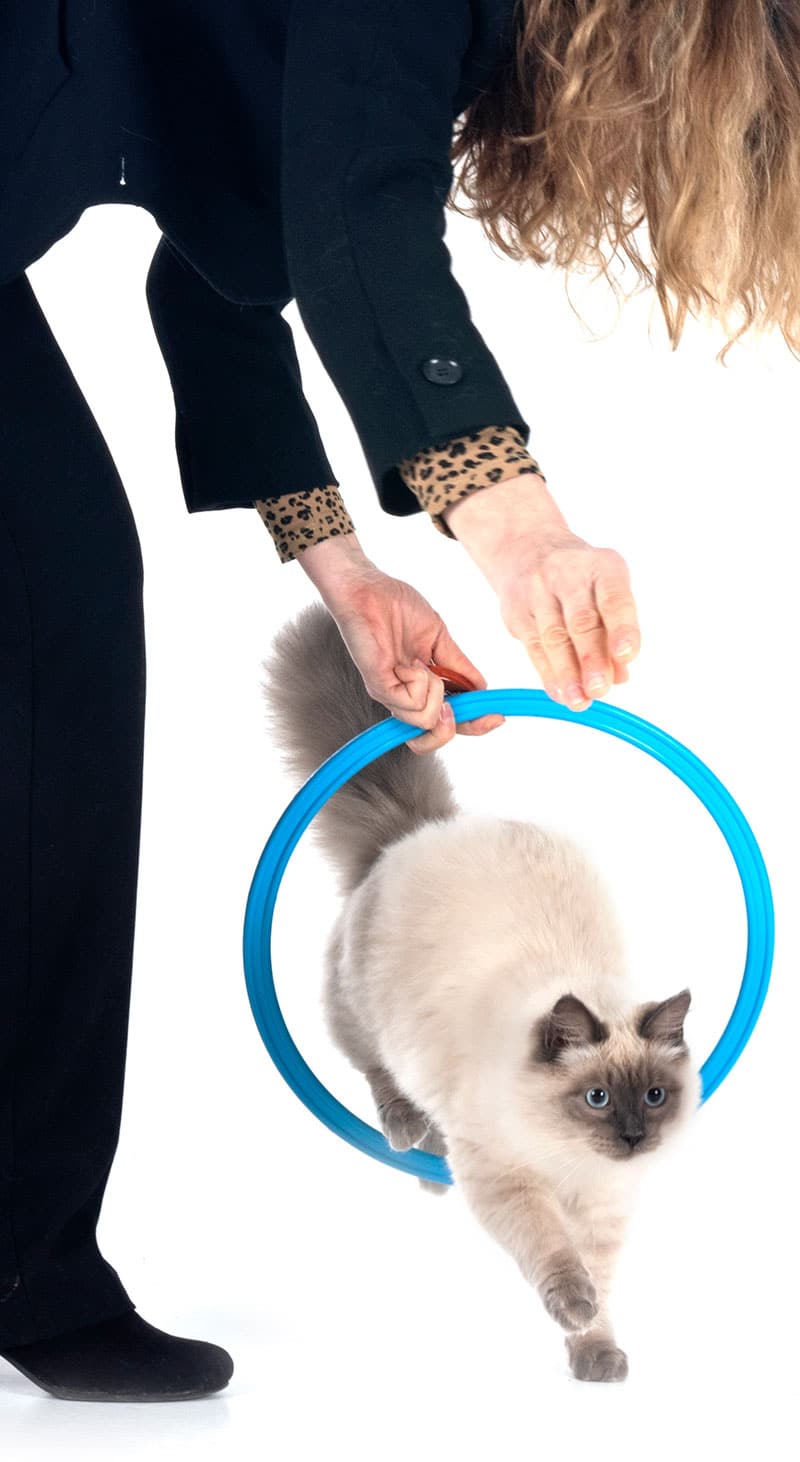
Jacynthe & Lady | Contrecoeur Location

Can You Teach Commands to a Cat?
Yes, absolutely!
Cats are often seen as independent — and they are — but they are also intelligent and capable of associating sounds with behaviours, especially when there’s a reward involved.
Useful Commands for Cats:
- Come: associated with a treat or playtime
- No: to discourage certain behaviours (e.g., climbing on the table)
- Down or Not There: to correct a bad habit
- Sit: more common than you’d think with consistent rewards
Training a cat requires more patience, gentleness, and positive reinforcement. Clicker training can also be very effective with felines.
How to Teach These Commands to Your Pet?
1. Through Association
Start by associating the gesture or word with a spontaneous action. For example, when your dog naturally sits, say “Sit” and offer a reward. They will gradually make the connection.
2. Through Repetition
As with children, learning comes from constant repetition in a calm environment. Avoid changing the word or gesture, and don’t mix multiple commands at once.
3. Through Rewards
Use a treat, toy, or petting as a reward. At Pitou Minou & Compagnons, we offer healthy, low-calorie treats that are perfect for training.
4. Through Progression
Start in a calm location, then increase the challenge:
- Quiet home
- Yard or balcony
- Park with distractions
- Busy street
The goal is to achieve reliable behaviour in any circumstance.
Benefits of Clear Communication
1. More Safety
A dog that stops at the word “Stop” or comes back on “Come” can mean the difference between a safe walk and an accident. This is vital in urban areas or around children.
2. Less Stress
An animal that understands what’s expected is less anxious, less reactive, and more balanced. They feel understood, guided, and valued.
3. More Bonding
Developing rich, nuanced communication with your companion strengthens your emotional bond. Walks become smoother, family time more peaceful, and interactions more harmonious.
What if Your Pet Doesn’t Respond?
It doesn’t mean they’re stubborn or disobedient. It may indicate:
- Lack of clarity in signals
- Not enough repetition
- An overly stimulating environment
- A poor association (e.g., command given without reward)
- Frustration or fatigue
In these cases, go back a step, simplify, and above all, never yell or punish. Learning is built through joy, patience, and trust.
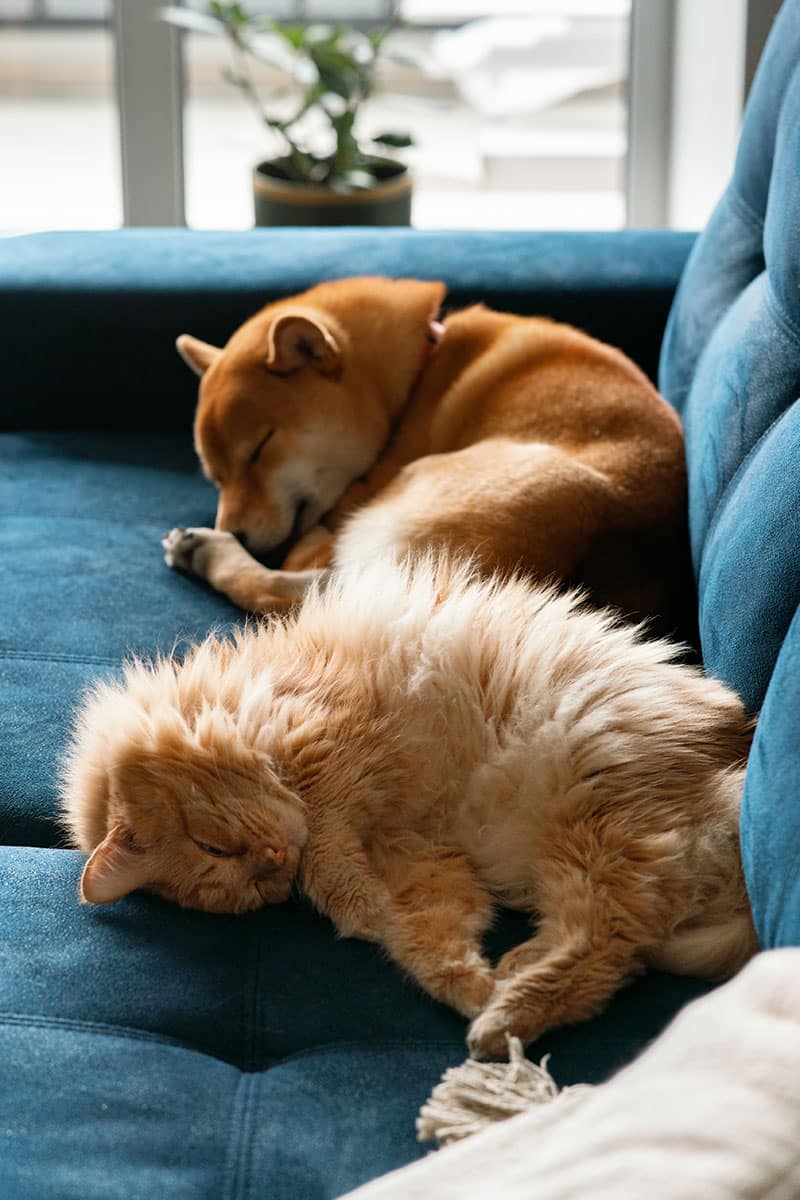
Freddy & Miro | St-Augustin Location

Martin & Buddy | Beauport Location
What You’ll Find at Pitou Minou & Compagnons
We do everything to make education and communication between humans and animals an enriching and accessible experience for all.
1. Specialized Training Products
- Training clickers
- Low-calorie training treats
- Treat pouches
- Target tools and signalling accessories
- Training mats and smart toys
2. Tools to Reinforce Communication
- Training leashes, anti-pull harnesses
- Interactive toys to reward good behaviour
- Support tools for recall, self-control, and agility
3. Personalized In-Store Advice
Our advisors are trained to:
- Help you define the right commands
- Choose tools suited to your dog or cat
- Offer a realistic progression plan
- Recommend certified trainers if professional support is needed.