How to Choose the Best Cat Litter?
How to Choose the Best Cat Litter?
PUBLISHED ON OCTOBER 1, 2026
Reading time: 8 min
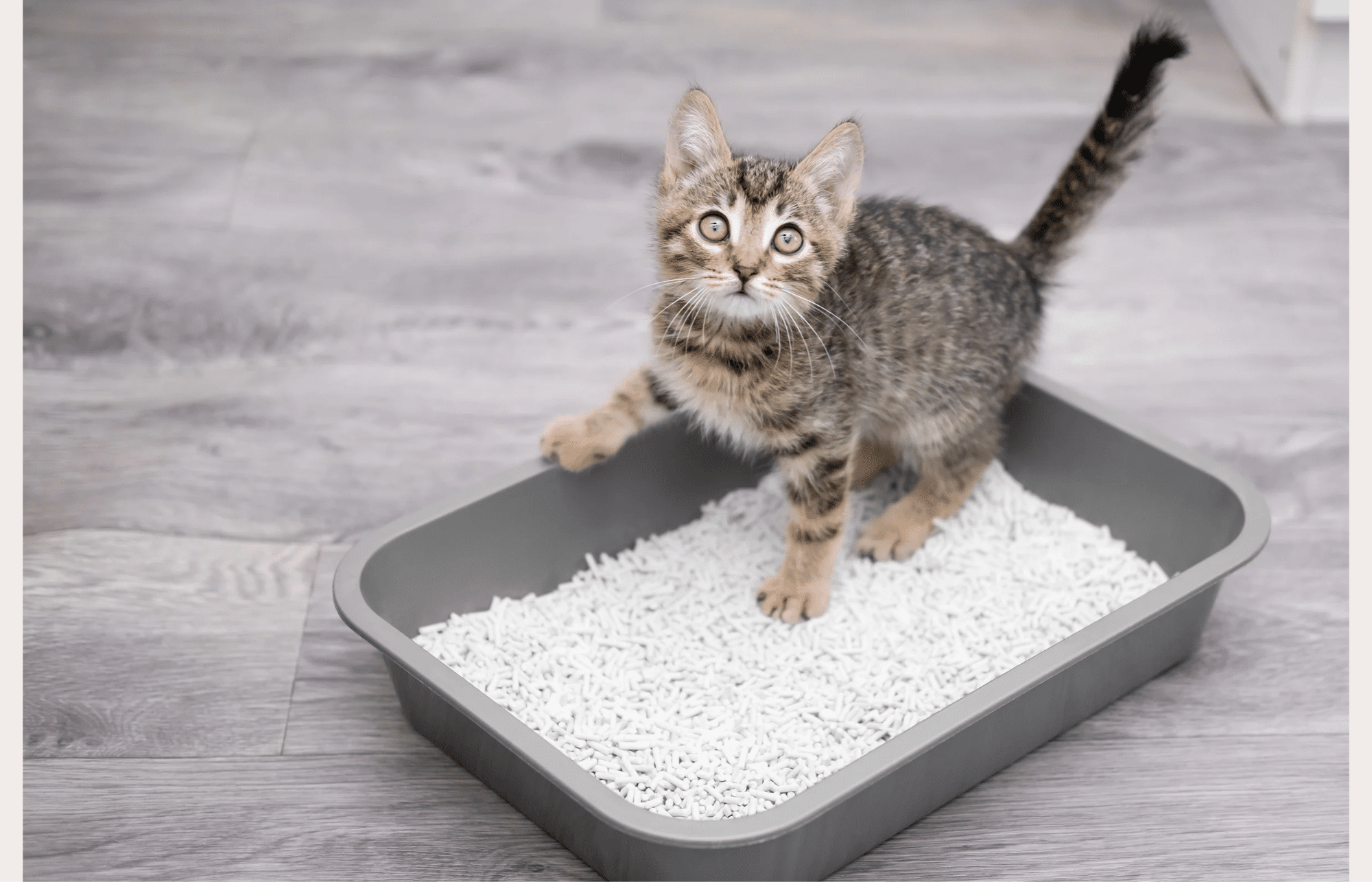
Choosing cat litter may seem simple until you find yourself standing in front of a shelf filled with dozens of products. Clumping, plant-based, silica, scented or low-dust litter: each type has its own advantages and characteristics.
However, the best cat litter is not the same for every cat. Texture, odor control, dust levels, ease of maintenance and your cat’s individual preferences are all factors to consider.
However, the best cat litter is not the same for every cat. Texture, odor control, dust levels, ease of maintenance and your cat’s individual preferences are all factors to consider.
WRITTEN BY:
Agathe Andrieu – Marketing Coordinator
With the collaboration of the Pitou Minou & Compagnons team
Summary
Why Is Choosing the Right Cat Litter Important?
Cats are generally very attentive to their environment and routines. The texture of the litter, its scent, the cleanliness of the litter box and its location can all influence how your cat uses it.
A litter that does not suit your cat may contribute to behaviours such as avoiding the litter box or eliminating outside of it.
Your choice of litter can also have an impact on your daily routine:
- Odor control: some litters absorb or neutralize odors better than others.
- Ease of maintenance: clumping litters allow you to remove soiled clumps without replacing all of the litter.
- Dust: some formulas produce less dust, which may be preferable in households where this is an important consideration.
- Monitoring habits: clumping litter can make it easier to monitor the amount and frequency of your cat’s urination.
- Comfort: texture and particle size can make a difference for a particularly selective cat.
The Main Types of Cat Litter
There is now a wide variety of cat litter options. Here are the main categories you will find in stores.
1. Clumping Litter
Clumping litter is generally made from clay, particularly bentonite. When it comes into contact with urine, it forms a clump that can easily be removed with a scoop.
Advantages:
- makes daily cleaning easier;
- helps keep the rest of the litter clean;
- generally provides good absorption;
- makes it easier to monitor urination;
- is available in a variety of textures and formulas.
À considérer :
- certaines formulations peuvent produire davantage de poussière;
- elle est généralement plus lourde que les litières végétales;
- les litières à base d’argile ne sont
Who is it for?
Clumping litter is a versatile choice for many cats. If you are not sure where to start, a fine-grain, low-dust formula can be a good option.
2. Plant-Based and Biodegradable Litter
Plant-based litters are made from various renewable materials, such as wood, corn, wheat, nuts or paper. Some are also clumping.
Advantages:
- generally lighter than clay;
- some formulas produce very little dust;
- many options are biodegradable;
- some provide good absorption and odor control.
Things to consider:
- texture can vary significantly from one product to another;
- odor control can vary depending on the material used;
- some options are more expensive to purchase.
Who is it for?
Plant-based litter may be a good option for owners looking for a lightweight, plant-based or biodegradable alternative. It may also suit cats that prefer a texture different from traditional clay litter.
Please note: biodegradable litter is not necessarily compostable in your municipality. Always check the manufacturer’s instructions and your local waste-management guidelines before placing it in the green bin.
3. Silica Crystal Litter
Silica litter is made from highly absorbent crystals that capture moisture and help control odors.
Advantages:
- excellent absorption;
- can provide good odor control;
- many formulas produce little dust;
- lightweight compared with some clay litters.
Things to consider:
- some cats may not like the texture of the crystals;
- solid waste generally needs to be removed daily;
- replacement frequency depends on the product, number of cats and amount of litter used.
Who is it for?
Silica litter may be a good option for people looking for an absorbent and practical litter, particularly in households where odor control is a priority.
4. Non-Clumping Mineral Litter
Traditional mineral litter is generally made from clay and does not form clumps when it comes into contact with urine.
Advantages:
- generally affordable;
- texture may appeal to many cats;
- widely available.
Things to consider:
- urine cannot be removed in the form of clumps;
- soiled litter needs to be removed regularly;
- the contents of the litter box generally need to be replaced more frequently than with clumping litter.
Who is it for?
It may be suitable for owners looking for an affordable option who are willing to perform regular maintenance.
5. Scented Litter and Odor-Control Litter
Some litters contain added fragrance or ingredients designed to help control odors, such as activated charcoal.
Advantages:
- may help reduce or mask certain odors;
- available with different levels of fragrance;
- may appeal to owners who place a high priority on odor control.
Things to consider:
- some cats may be sensitive to strong scents;
- fragrance does not replace regular litter-box cleaning;
- unscented litter may be preferable for particularly sensitive cats.
Tip: if your cat starts avoiding the litter box after switching litter, consider both the texture and the scent. Returning to an unscented litter with a familiar texture may sometimes help.
6. New Plant-Based Litter Options
Today, you can find litters made from a variety of plant-based materials, including tofu, nuts, wood fibres and grasses. Some combine plant-based materials with a clumping formula.
Advantages:
- lightweight;
- many options produce little dust;
- some provide good clumping performance;
- many are biodegradable.
Things to consider:
- performance varies depending on the material and formula;
- the texture may differ from traditional litter;
- the price may be higher.
These newer formulas make it possible to choose a plant-based litter without necessarily giving up the convenience of clumping litter.
Which Cat Litter Should You Choose for Your Situation?
There is no single best litter for every cat. Instead, consider the specific need you are trying to address.
Clumping or silica litter, depending on the formula and maintenance routine
| Your Situation | Litter to Consider |
|---|---|
| First-time cat owner or not sure what to choose | Fine-grain clumping litter, ideally low-dust |
| Kitten | Fine, comfortable texture; monitor your kitten’s reaction to the litter |
| Senior cat or cat with limited mobility | Lightweight, comfortable litter with an easily accessible litter box |
| Cat sensitive to dust | Low-dust formula; some plant-based or silica litters may be worth considering |
| Odor control | |
| Apartment or small space | Litter with good odor control and suited to the size of your home |
| Looking for a plant-based option | Wood, corn, nuts, tofu or other plant-based materials |
| Biodegradability is a priority | Certain plant-based litters; check disposal instructions |
| Picky cat | Fine-grain, unscented litter and a gradual transition |
| Multiple cats | Absorbent litter and frequent litter-box maintenance |
Find the Right Litter for Your Cat
There is no single best litter for every cat. The right choice depends on your cat, their preferences and your daily routine.
Not sure which type of litter to choose? The Pitou Minou & Compagnons team can help you compare different options based on your cat’s habits, your home, your priorities and your budget.
Visit us in store to discuss your needs or explore our selection of cat litter.
Because the right litter is the one that works for both your cat and your everyday life.
FAQ: Your Questions About Cat Litter
The ideal amount depends on the type of litter and your cat’s preferences. A depth of about 5 to 8 cm is generally a good starting point to allow your cat to dig and cover its waste.
However, keep an eye on your cat’s behavior. If your cat scratches all the way to the bottom of the litter box or seems to have trouble covering its waste, it may be helpful to adjust the amount.
A common recommendation is to provide one litter box per cat, plus one.
For example:
- 1 cat = 2 litter boxes;
- 2 cats = 3 litter boxes;
- 3 cats = 4 litter boxes.
Location is also important. Litter boxes should be easily accessible, placed in quiet areas, and away from food and water bowls.
As much as possible, avoid placing them in a spot where your cat might feel trapped or disturbed while using them.
If you want to try a new litter, avoid making a sudden change whenever possible.
A gradual transition over several days can help your cat adjust:
- Start by adding a small amount of the new litter to the old one.
- Gradually increase the proportion of new litter.
- Watch your cat’s reaction.
- If your cat avoids the litter box, slow down the transition or temporarily switch back to the old litter.
Also, avoid changing the litter, the litter box, and its location all at once. If your cat reacts negatively, it will be harder to figure out what’s bothering him.
Is your cat suddenly refusing to use its new litter? Start by going back to a texture and scent it’s familiar with.
You can also:
- choose an unscented litter;
- opt for a texture similar to the one they used before;
- keep the litter box clean;
- make sure the litter box is easily accessible;
- avoid placing the litter box in a noisy or high-traffic area;
- make the transition more gradually.
If your cat suddenly starts urinating or defecating outside its litter box—even though it had been using it normally before—a visit to the veterinarian may be necessary to rule out a health problem.
No matter what type of litter you choose, regular maintenance is essential.
- Remove feces and urine buildup every day, ideally at least once a day.
- Clean the litter box regularly, depending on the type of litter used.
- Use water and mild soap to clean the litter box.
- Avoid products with strong odors and those containing ammonia.
- Replace the litter box if it is heavily scratched, damaged, or difficult to clean.
- If you have multiple cats, increase the cleaning frequency as needed.
A clean litter box is often just as important for your cat as the choice of litter itself.