What Is Dog Shedding?
A Natural, Seasonal Phenomenon
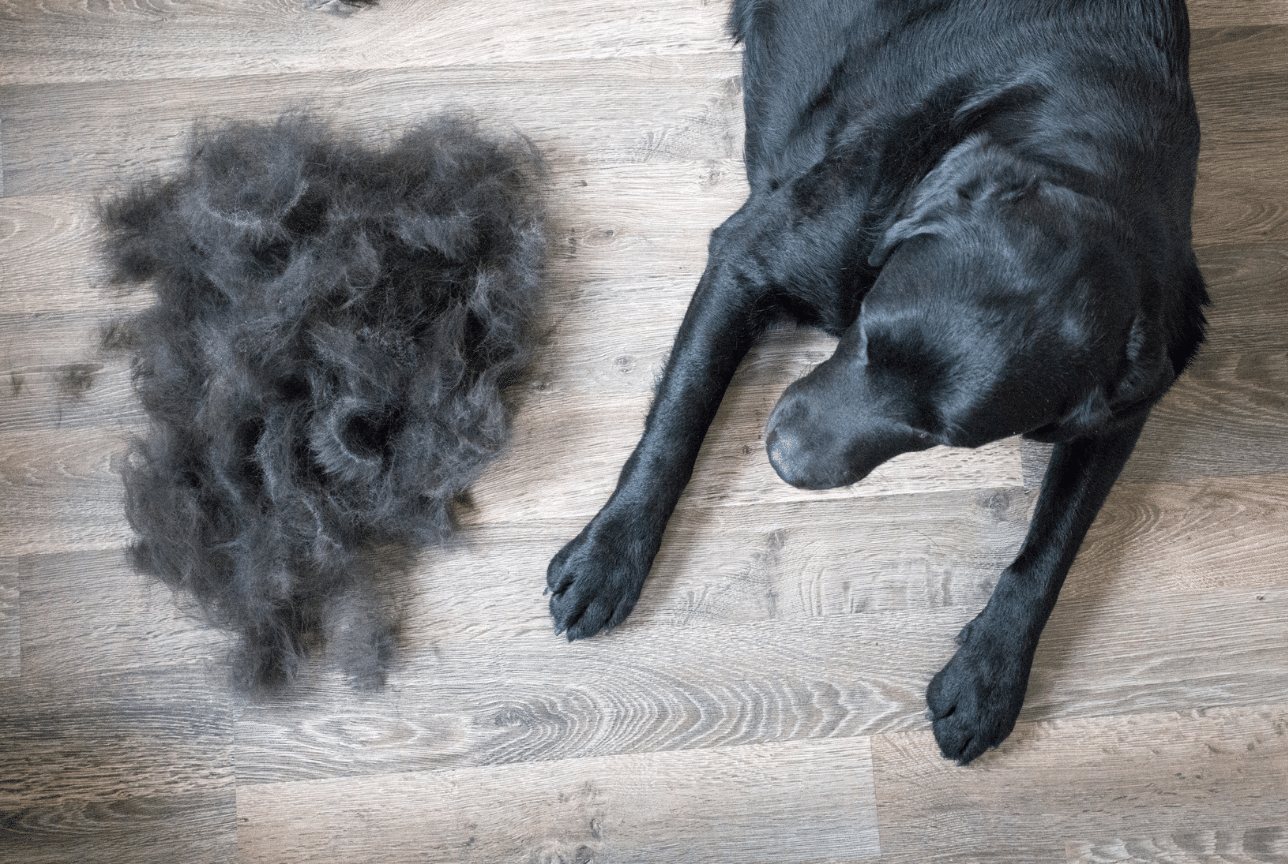
Shedding (or seasonal shedding) is the process by which a dog loses their old coat to grow a new one adapted to the coming season. It typically occurs twice a year:
- In spring (March to May): your dog sheds their thick winter coat to adopt a lighter coat suited to the warmer temperatures ahead.
- In fall (September to November): they lose their summer coat to prepare a warm, insulating winter undercoat.
In Quebec, where temperature differences between winter and summer are particularly extreme, spring shedding is often spectacular and more abundant than in other regions. Don’t be surprised if your home starts looking like a fur storm in April!
Does Every Dog Shed?
Almost all dogs shed, but the intensity varies greatly depending on the breed and coat type:
- Double-coated breeds (dense undercoat + topcoat): Siberian Husky, German Shepherd, Golden Retriever, Labrador, Samoyed, Collie… their shedding is often very heavy.
- Short-haired breeds: Beagle, Boxer, Dalmatian… also shed, but it’s less visible.
- Curly or hypoallergenic breeds: Poodle, Bichon… shed minimally, but still require coat attention.
- Wire-haired breeds (terriers, Schnauzer): their dead coat usually needs to be hand-stripped rather than naturally shed.
Normal Shedding vs. Excessive Hair Loss: How to Tell the Difference
Signs of Normal Shedding
During the spring shedding season, it is completely normal to observe:
- Heavy hair loss, especially when brushing
- Undercoat coming out in clumps
- A slightly dull coat before the new one grows in
- A duration of approximately 3 to 8 weeks
When Should You Worry? Signs of Abnormal Hair Loss
Some signs may indicate that a health issue is behind your dog’s hair loss. Consult your veterinarian if you notice:
- Patches of missing fur (alopecia) with no regrowth
- Intense scratching, red or irritated skin
- Excessive dandruff or dry, flaky skin
- Continuous hair loss outside of shedding season
- A dull, brittle, or lackluster coat over an extended period
These signs may point to a nutritional deficiency, hypothyroidism, parasites (fleas, mange) or a seasonal allergy. In these cases, a dietary adjustment and/or a vet visit are essential.
The Key Role of Nutrition During Shedding Season
This is where nutrition comes in and it’s our area of expertise at Pitou Minou & Compagnons. A well-fed dog will go through shedding more easily, more quickly, and will grow a shinier, stronger, and healthier new coat. Conversely, a diet lacking in essential nutrients can prolong shedding, weaken the coat, and cause skin irritations.
Proteins: The Foundation of a Beautiful Coat
Dog hair is made up of more than 90% keratin, a protein. Without a sufficient intake of high-quality animal protein, your dog simply cannot renew their coat effectively. During shedding season, protein requirements increase significantly.
What to look for? A diet with more than 28–30% named animal protein as the first ingredient (chicken, salmon, beef, lamb…). Avoid kibble that lists unspecified animal by-products as the primary ingredient.
Omega-3 and Omega-6: Shine and Anti-Inflammation
Essential fatty acids are arguably the most important nutrients for coat and skin health. Omega-3s (EPA and DHA):
- Reduce skin inflammation, which is often aggravated during shedding
- Promote a lustrous, shiny coat
- Can reduce hair loss by 20 to 30% in heavy-shedding breeds with a thick undercoat
- Also support joint health and muscle recovery
The best omega-3 sources: salmon oil, sardine oil, flaxseed, and marine algae. As a supplement, fish oil is particularly effective.
Omega-6 fatty acids (found in vegetable oils like sunflower or grapeseed oil) complement omega-3s by maintaining skin hydration and reducing itchiness.
Biotin (Vitamin B8): The Coat Vitamin
Biotin plays a direct role in keratin synthesis—the protein that makes up the hair shaft. A biotin deficiency shows up as:
- A dull, lackluster coat
- Dry or flaky skin
- Prolonged, difficult shedding
- Brittle, fragile nails
It is naturally found in eggs (egg yolk), liver, legumes, and some premium kibble formulas. Biotin works in synergy with zinc to be fully effective.
Zinc: An Indispensable Cofactor
Zinc directly participates in keratin synthesis and cellular skin regeneration. Without adequate zinc, even a proper biotin intake will have limited effect. Zinc also helps strengthen the immune system, helpful for a dog whose body is hard at work during shedding.
Vitamins A and E: Skin Protectors
These two fat-soluble vitamins play complementary roles:
- Vitamin A: essential for skin cell renewal and natural sebum production, which protects the coat.
- Vitamin E: a powerful antioxidant that protects skin cells from free radical damage—cells that are especially stressed during shedding.
Summary Table: Key Nutrients for Shedding Season
Nutrient | Role for the Coat | Main Sources |
|---|---|---|
Animal proteins | Structural base of hair (keratin) | Meat, fish, eggs |
Omega-3 | Shine, anti-inflammation, reduced hair loss | Salmon oil, sardines, flaxseed |
Biotin (B8) | Skin hydration, reduces itchiness | Sunflower oil, grapeseed oil |
Zinc | Keratin synthesis, coat radiance | Liver, eggs, brewer’s yeast |
Vitamins A & E | Biotin cofactor, skin cell regeneration | Red meat, pumpkin seeds |
Practical Tips for Managing Shedding Day-to-Day
Brushing: Your Best Ally
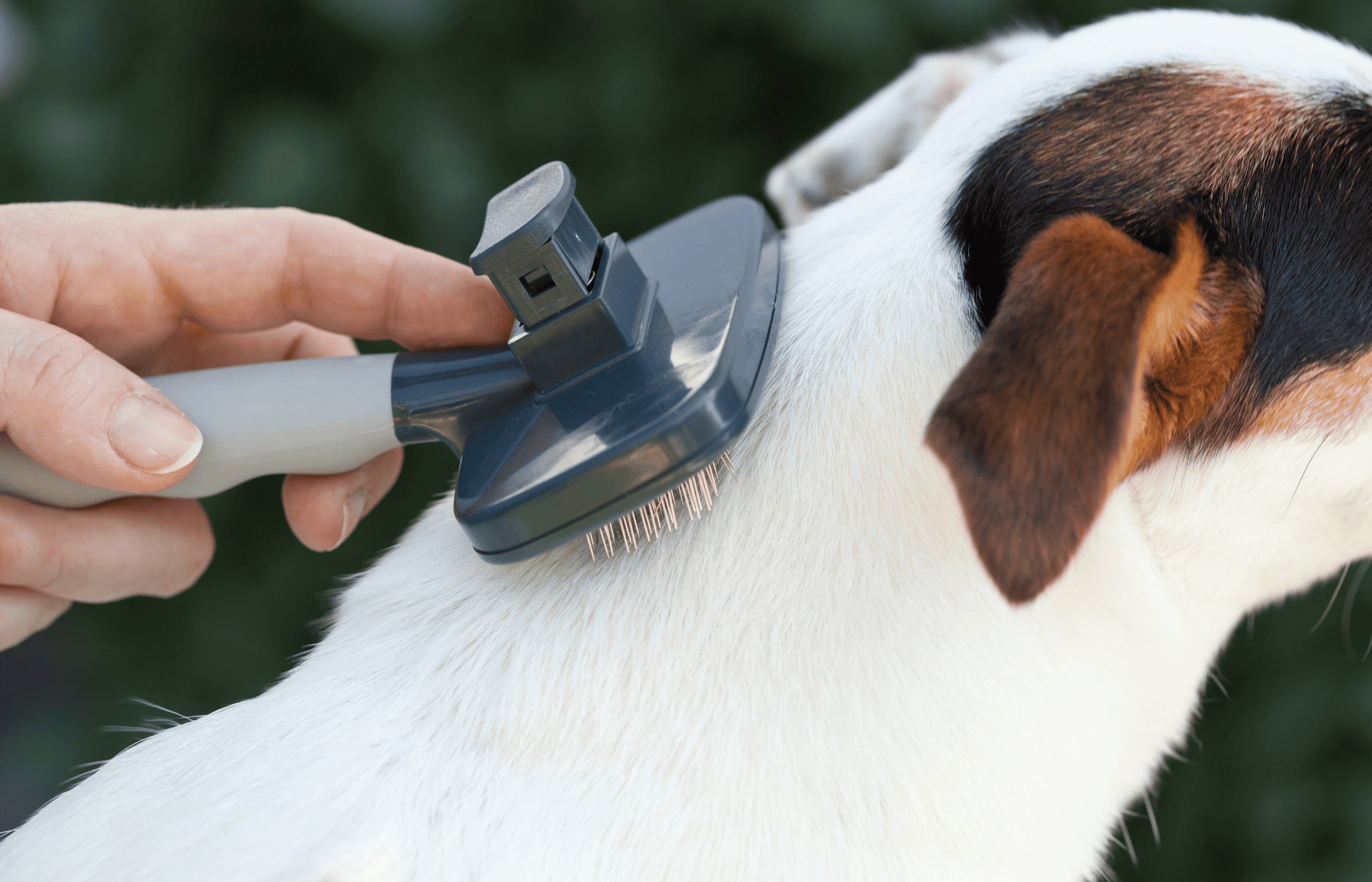
Even with the best diet in the world, regular brushing remains essential during shedding. It removes dead hair before it ends up all over your home, stimulates blood circulation in the skin, and prevents mats and tangles in the undercoat.
- Recommended frequency: every day or every other day during peak shedding
- Suggested tools: firm bristle brush or metal comb for the undercoat, a deshedding tool (e.g., Furminator) for double-coated breeds, a curry comb to loosen undercoat clumps
- Technique: always brush in the direction of hair growth, gently, section by section
The Spring Bath
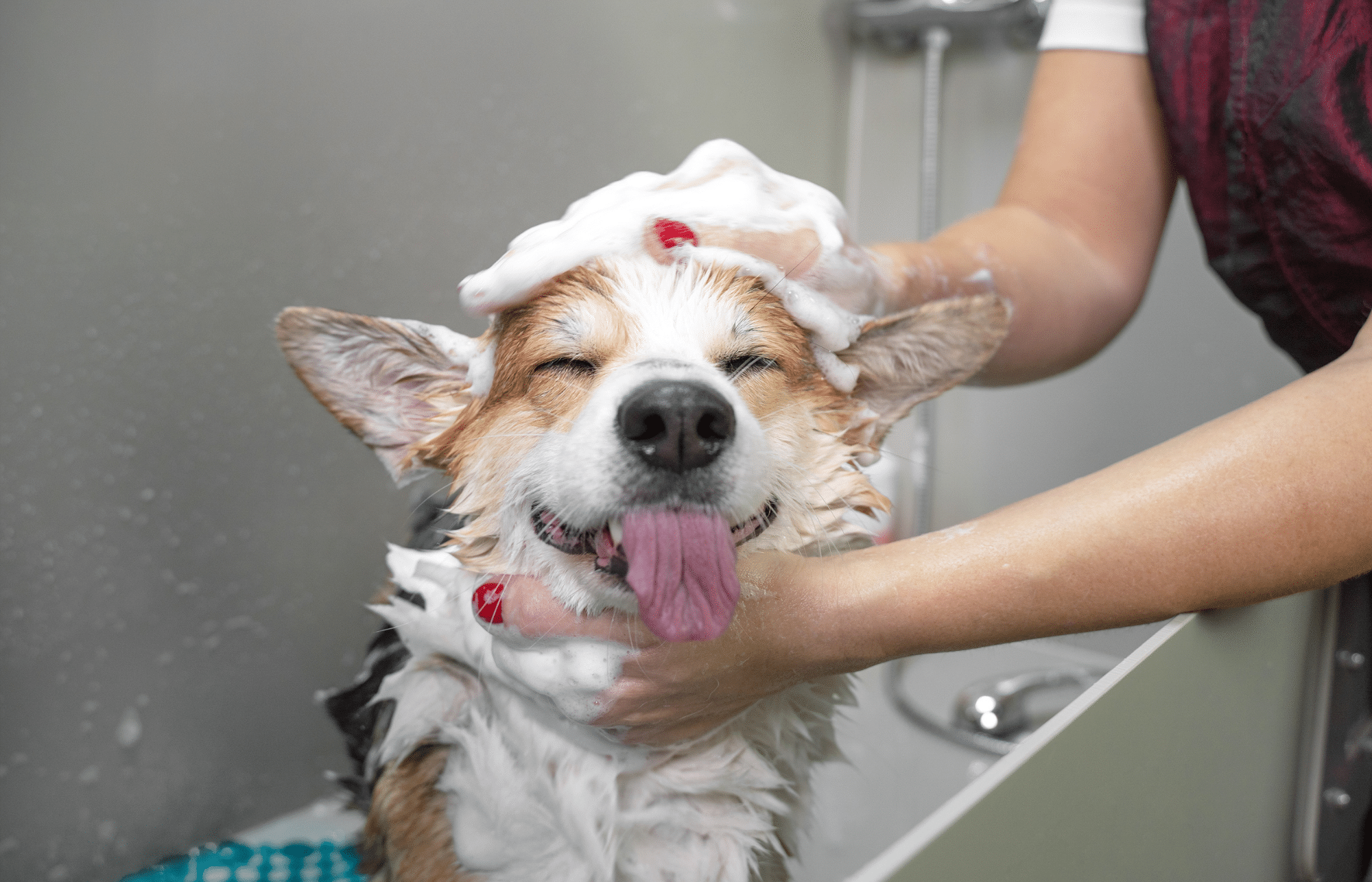
A good bath with a shampoo suited to your dog’s coat type can help facilitate shedding by releasing dead undercoat. Choose a moisturizing shampoo for sensitive skin, or a deshedding-specific shampoo for heavy shedders. After the bath, a thorough brush-out will have a multiplied effect.
Hydration
A well-hydrated dog has healthier skin and a better-condition coat. Make sure your companion always has access to fresh water, especially as temperatures warm up across Quebec in spring.
Managing Stress
Stress can worsen hair loss in some sensitive dogs. Ensure your pet has a stable routine, enough exercise, and plenty of calm moments during this seasonal transition.
Dog Shedding in Quebec: Climate-Specific Considerations
Quebec has a unique climate that directly influences how dogs shed. With harsh winters and hot, humid summers, the spring transition is often abrupt—and the shedding is just as intense.
An Especially Thick Winter Undercoat
Dogs living in Quebec often develop a particularly dense winter undercoat to cope with extreme temperatures. This means spring shedding is typically more abundant and lasts longer than in Europe or British Columbia, for example.
Snowmelt and Outdoor Activity Resuming
With the snow melting in April, outdoor activity with your dog picks back up in intensity. This is precisely when their body needs more energy and nutrients: both for shedding AND for the return of physical activity. A well-timed dietary adjustment at this time of year can make a real difference.
Spring Allergies in Quebec
Quebec spring also means pollen season—birch, poplar, and later ragweed. Some dogs develop seasonal skin allergies that can be confused with excessive shedding. If your dog is scratching a lot, licking their paws, or has watery eyes, consult your veterinarian.
 How long does spring shedding last in dogs?