Dog poop in sight!
What to do with your dog mess this spring?
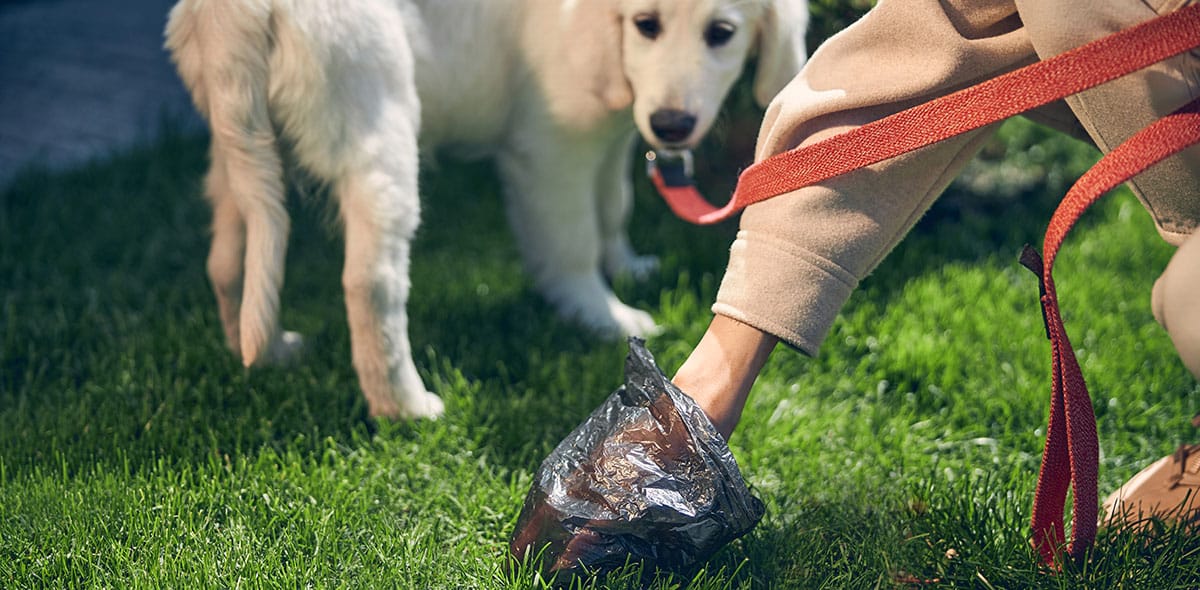
With the arrival of spring in Quebec, yard cleaning is a must for dog owners. After months under the snow, the droppings left over the winter resurface, making clean-up essential not only for aesthetics, but also for the hygiene and health of your family and your pet. But what to do with dog poop that has accumulated in the yard? And how do you deal with the dog mess on a daily basis, whether at home or out and about?
In this article, we guide you through the best practices for picking up, disposing of or even composting your dog’s excrement, while respecting the environment and the cleanliness of your neighbourhood.

Sam & Zach | Longueuil Location
Picking up dog poop: a matter of cleanliness and respect
Lucky & Justine | Blainville Location
Why pick up after your dog?
- To prevent the proliferation of bacteria and parasites: Dog feces can contain bacteria (E. coli, salmonella) and parasites (intestinal worms) that contaminate soil and water.
- Protecting the environment: Contrary to popular belief, dog poo is not a good fertilizer. It can acidify the soil and harm ecosystems.
- Keep spaces clean and pleasant for everyone: No one likes to step in forgotten poo on a sidewalk or in a park!
- Reduce unpleasant odours: Particularly in spring, when the melting snow releases the droppings accumulated over the winter.
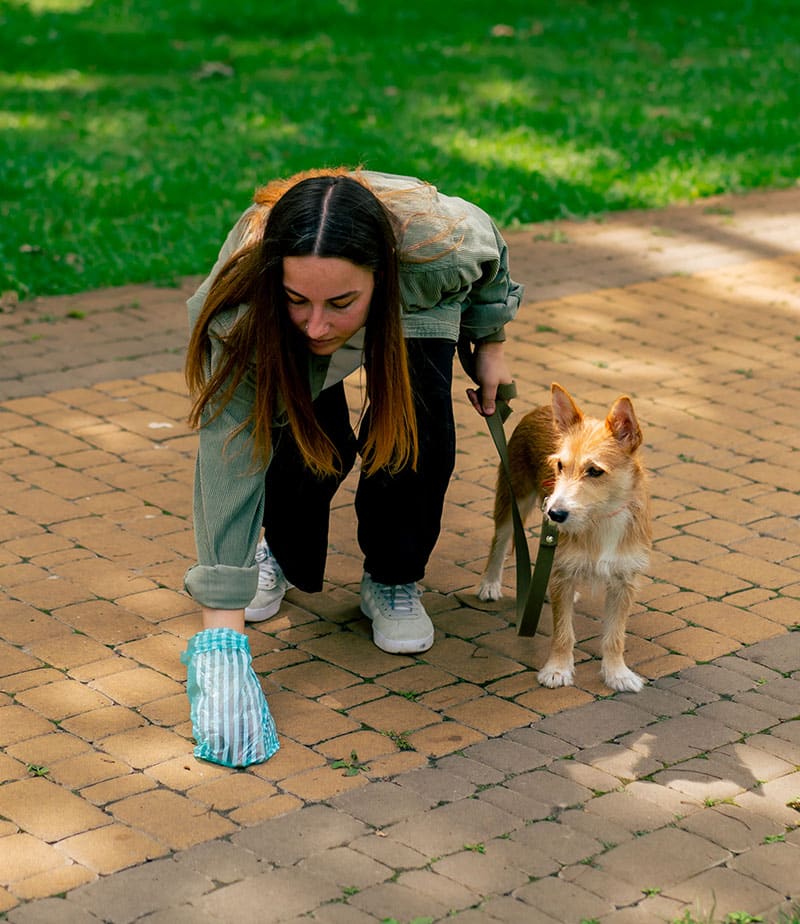
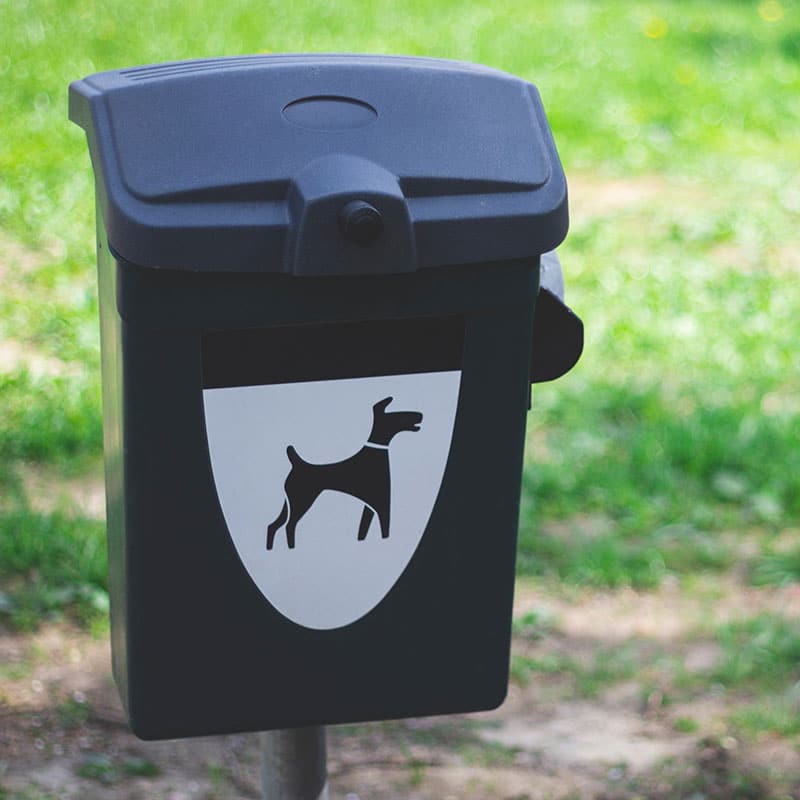

What to do with dog poo once it’s been picked up?
1. Throw it in the garbage can
The simplest and most common option is to dispose of your dog’s excrement with your household waste. Please note: do not put them in the recycling bin or in the municipal compost unless your city has a specific program for organic pet waste.
2. Is it possible to compost dog poo?
Composting dog poop is an environmentally friendly alternative, but it must be done with care. Here are a few rules to follow:
- Use a dedicated composter: Don’t mix dog excrement with your food compost.
- Add carbon-rich materials: such as straw or dead leaves to balance the nitrogen contained in dog droppings.
- Avoid using compost for vegetable gardening: Dog excrement from a carnivorous diet may contain parasites, so it’s best to use it only for ornamental plants.
- Ensure high composting temperature: Compost needs to reach 60-70 degrees Celsius to eliminate pathogenic bacteria.
3. Explore other ecological solutions
Some cities are proposing innovative solutions, such as biodegradation stations for dog excrement. In Montreal, some initiatives are testing methods for transforming dog droppings into biogas. Find out more from your municipality!
The impact of dog poop on the environment and the community
1. Dog poop and pollution
When left uncollected, dog poop decomposes slowly and can contaminate drinking water sources through rainwater runoff. They also contribute to the proliferation of harmful algae in rivers and lakes.
2. Living with neighbours
A dog that does its business in a neighbouring garden or in front of a house can quickly become a source of tension in the neighbourhood. Respecting common spaces and systematically picking up after your dog is an essential sign of good citizenship.
3. Maintenance of parks and green spaces
Municipal employees spend a considerable amount of time cleaning up dog mess in public parks. Adopting responsible habits helps reduce these costs and improve the cleanliness of places frequented by all.
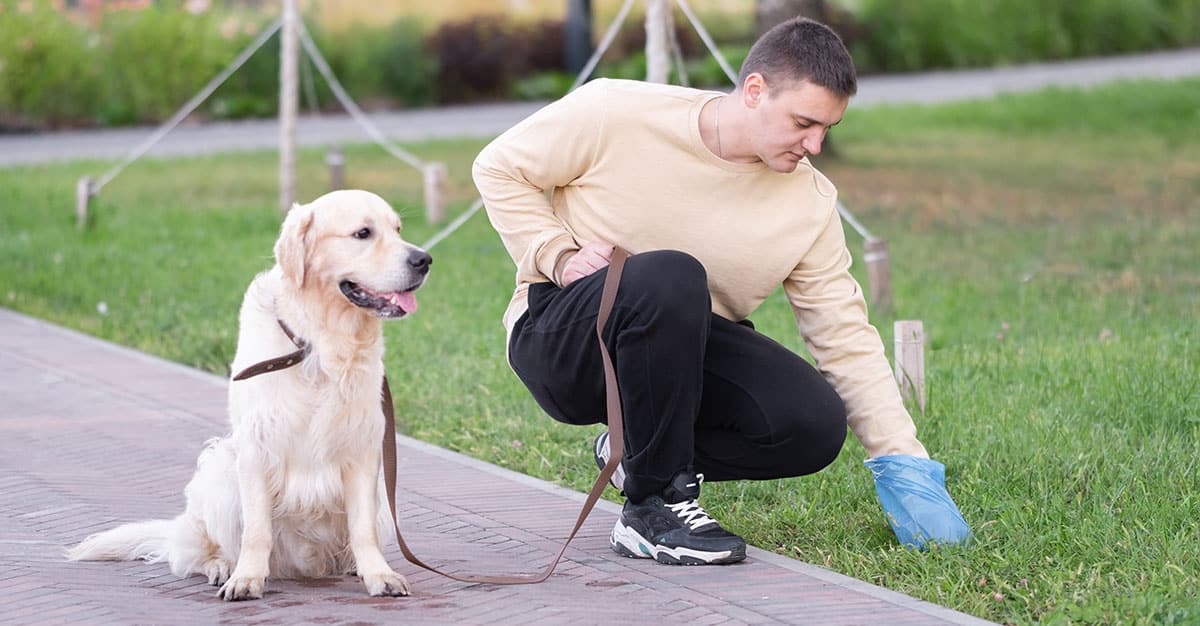
Goldie & Luka | Verdun Location
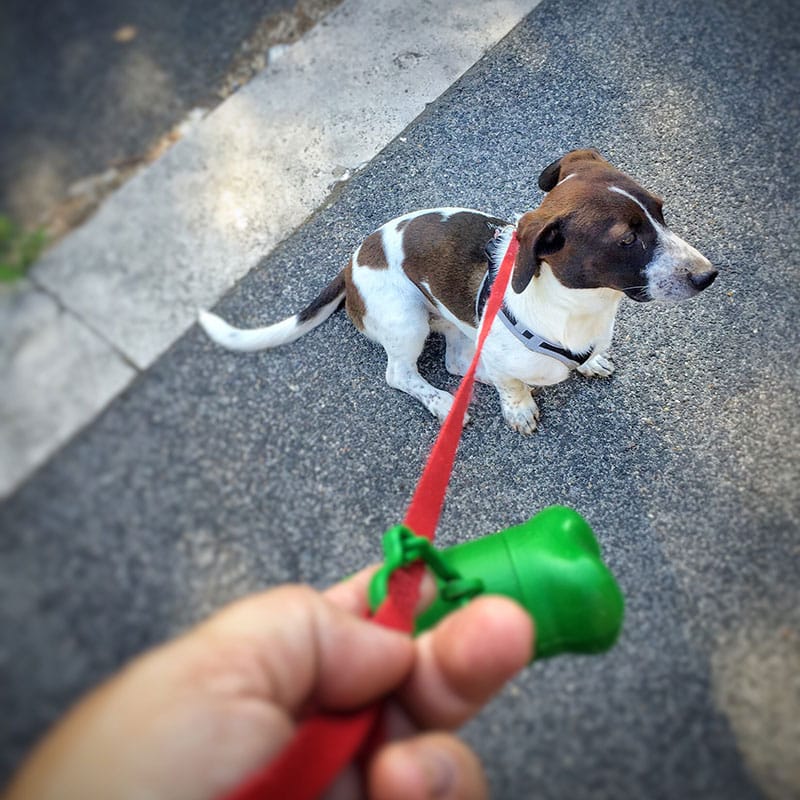
Gizmo & Suzan | Chelsea Location
You can earn Air Miles® points for every purchase!