How to find your cat outside
All you need to know about finding your cat outside
Letting a cat go outside can be a difficult decision for many owners. While some cats love to explore, hunt and enjoy the fresh air, there are many factors to consider before allowing them this freedom. Whether for safety, health or environmental reasons, it’s essential to understand the risks and precautions involved. This article will guide you through the main issues surrounding outdoor cats, and give you tips on how to find your cat if it doesn’t come home.

Suzy | Brossard Location
Should I let my cat go outside?
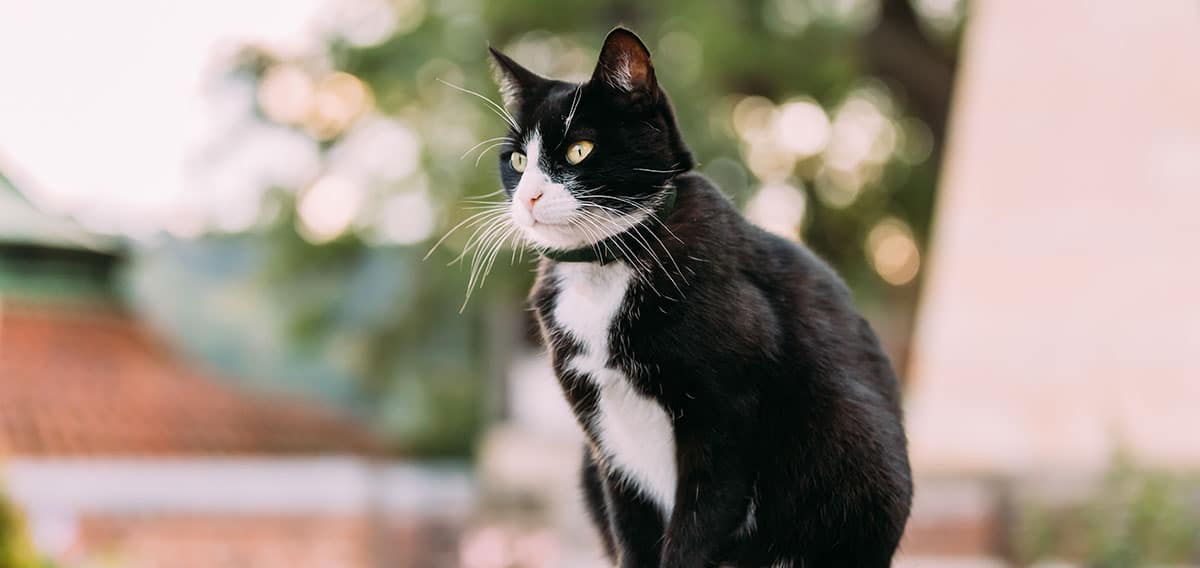
Before making this decision, it’s important to assess whether your cat is ready and whether the environment is safe. Here are some criteria to consider:
Benefits
- Allows your cat to exercise and explore a wider environment.
- Stimulates natural hunting and observation instincts.
- May reduce stress and boredom in some cats.
Disadvantages
- Exposure to external dangers: cars, dogs, other cats, disease, accidental poisoning.
- Risk of not returning home, especially if not collared or microchipped.
- Impact on local wildlife, especially birds and small mammals.
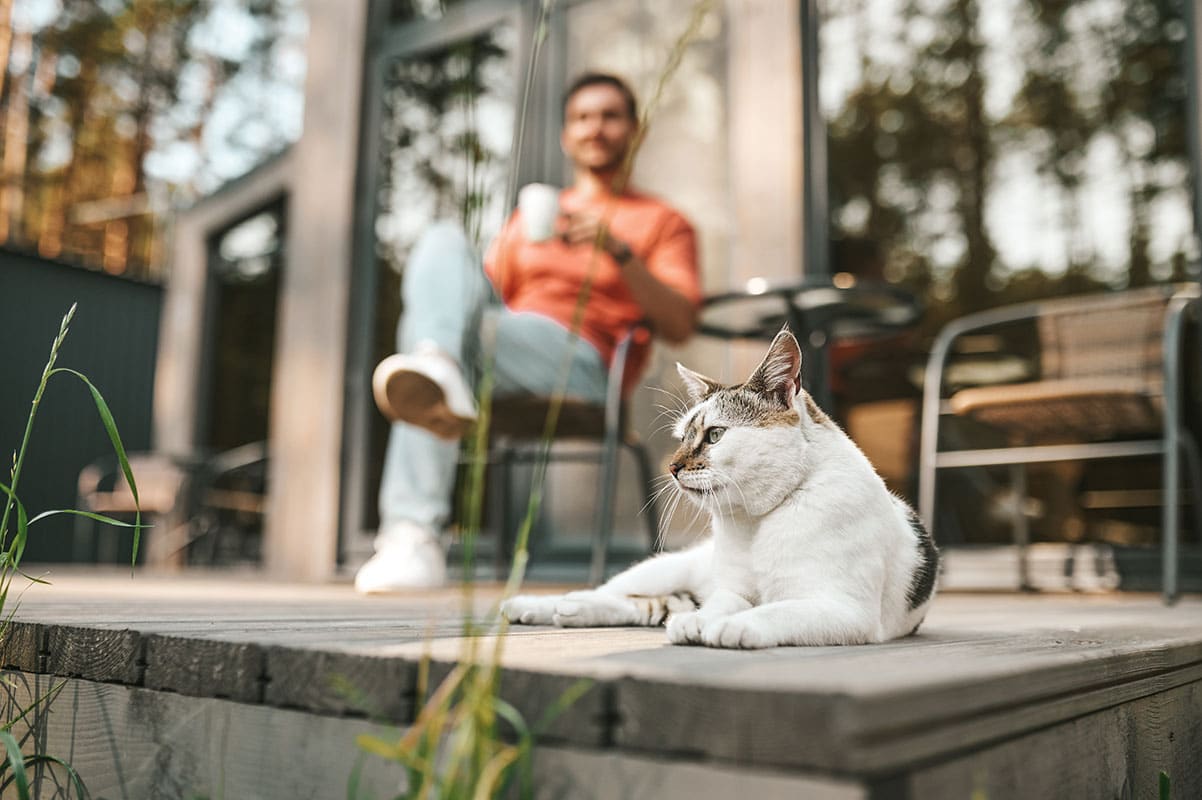
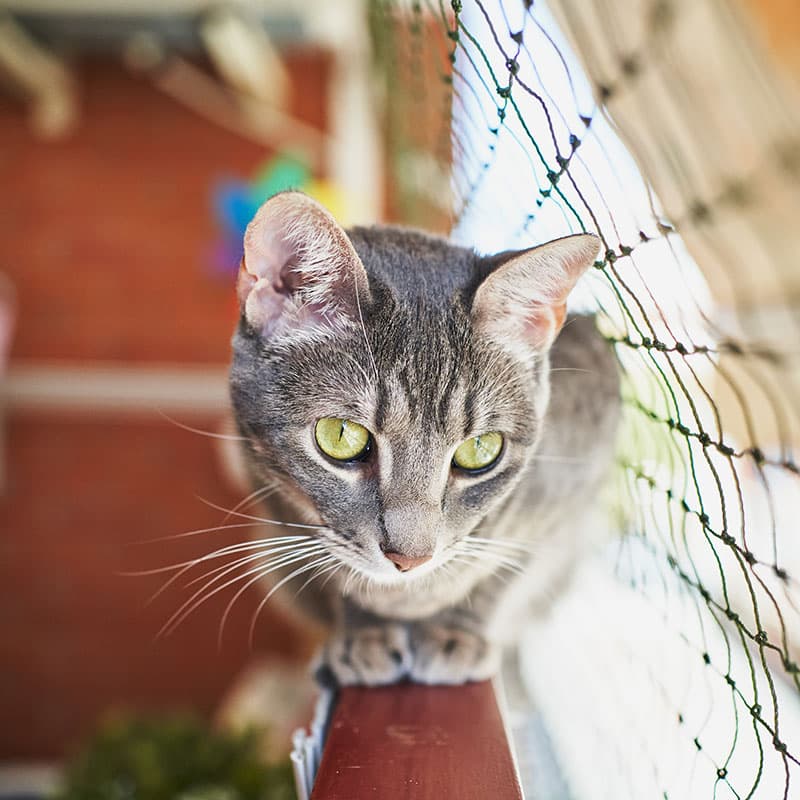
If you decide to let your cat out, we recommend that you gradually accustom him to it, under supervision, and provide him with secure access, such as an outdoor enclosure (catio) or a fenced garden.


Prince | Mascouche Nord Location

Can my cat contract a disease?
A cat that goes outdoors is exposed to a number of diseases and parasites, which it can contract while hunting, exploring or interacting with other animals.
Common diseases in outdoor cats
- Feline leukemia (FeLV) and feline AIDS (FIV): Transmitted by contact with other cats, notably by biting or mating.
- Feline typhus (panleukopenia): Highly contagious, spread by contact with soiled surfaces.
- Rabies: Rare but fatal, transmitted by bites from wild animals.
Parasites and dewormers
- Fleas and ticks: cause itching and can transmit disease.
- Intestinal worms: contracted by eating infected prey.
- Scabies and ringworm: Skin diseases that can be transmitted to humans.
Solution: Make sure your cat is vaccinated, treated against parasites and regularly dewormed before letting him out.
Is it harmful to birds?
Domestic cats are formidable predators and have a significant impact on local wildlife. In particular, they pose a threat to bird and small mammal populations.
Impact on biodiversity
- Every year, millions of birds are killed by domestic cats, contributing to the decline of certain species.
- Rodents and small mammals are also vulnerable, which can disrupt local ecosystems.
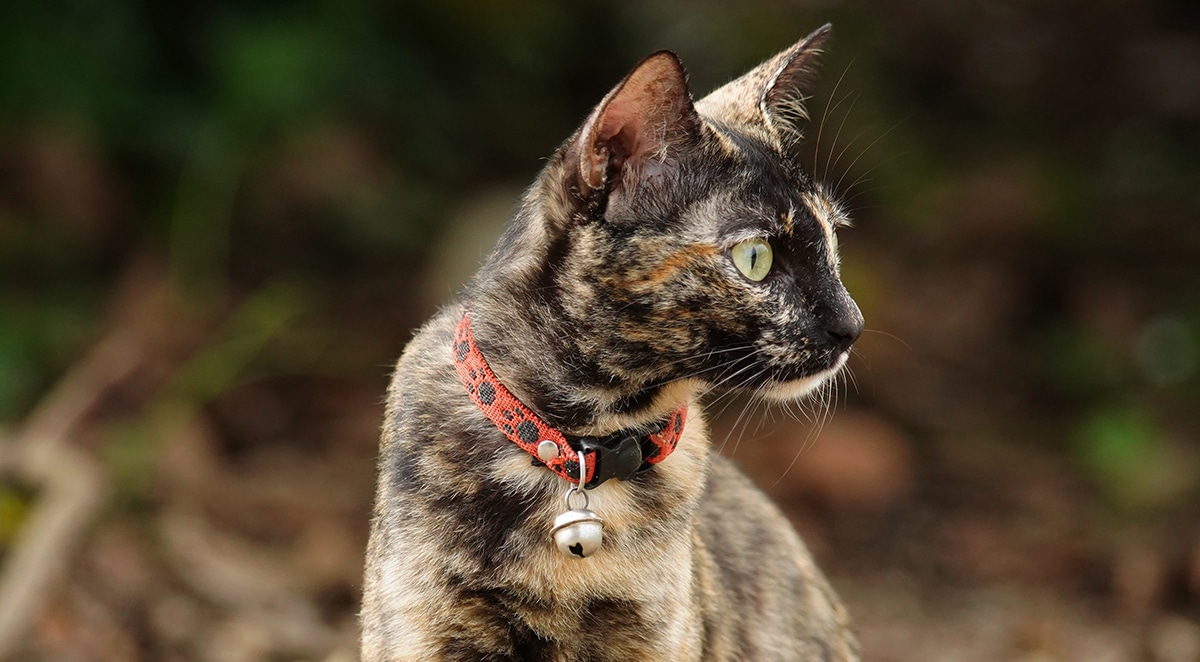
Solution: To limit this impact, you can add a bell to your cat’s collar, limit its outings to times when birds are less active (early morning and evening) or opt for a secure enclosure.
Olivia | Lasalle Location
Marge | Cantley Location

You can earn Air Miles® points for every purchase!
Contact with other cats: mating and fighting
When a cat goes outside, it may come into contact with other cats, which can cause a number of problems:
Mating and cat overpopulation
- An unspayed cat can have up to three litters a year, contributing to the number of stray cats.
- Unneutered males mark their territory and frequently fight over females.
Fighting and biting
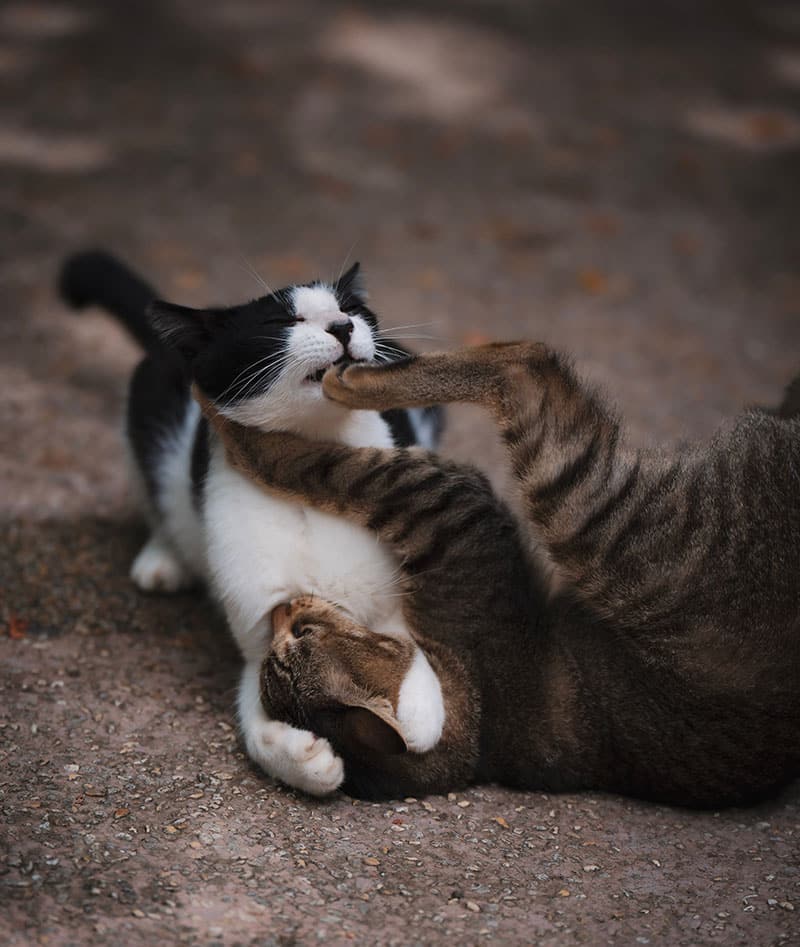
- Cat fights can result in injuries and spread diseases such as FIV.
- The stress caused by these interactions can impact your cat’s health.
Solution: Neutering is essential to prevent uncontrolled reproduction and reduce territorial aggression.
What if the neighbours don’t want your stray cat?
Not all neighbours appreciate a cat that wanders into their garden, scratches their flower beds or uses their land as a litter box.
Respecting the neighbourhood
- Prevent your cat from going to the neighbours by creating an attractive outdoor space at home (cat trees, resting places).
- If a neighbour complains, talk to him to find a compromise.
Solution on how to find your cat outside: Install a cat fence or enclosure to limit his movements. You can also use natural repellents (citrus peel, coffee grounds) to keep your cat out of certain areas.
Simone | Boucherville Location