Treats for Dogs and Cats
How to reward properly without harming health when giving treats to dogs and cats?
Offering a treat to your pet is often seen as a gesture of love. Whether it’s to reward good behaviour, reinforce training, mark a special moment, or simply show affection, dog and cat treats are a daily ritual for many pet owners. But it’s essential to know how, when, and how much to give to avoid compromising your companion’s overall health.
At Pitou Minou & Compagnons, we believe that treats should be appropriate, healthy, and given wisely—according to the animal’s species, weight, age, breed, and even physical condition. Below are our practical tips to make each treat a useful, well measured, and safe gesture.
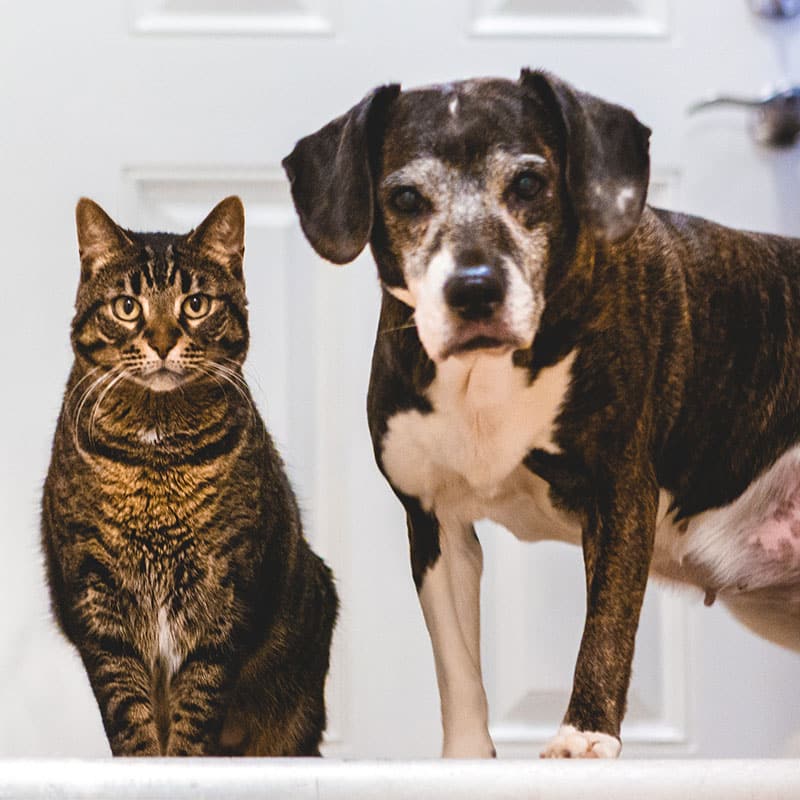
Leila & Jules | Beauport Location
Why give treats for dogs and cats?
Positive reinforcement
In dog or cat training, rewards are a powerful learning tool. When associated with desired behaviour, a treat reinforces obedience and motivates your pet to repeat the action: sitting, recall, walking on a leash, using the litter box, etc.
A Source of Joy and Emotional Bonding
Giving a treat is also an emotional ritual. For anxious, shy, or recently adopted pets, treats can foster a sense of security and strengthen the bond with their human.
Mental Stimulation
Some treats are used in interactive toys, snuffle mats, or food puzzles. They become a tool for mental stimulation, which is essential for the well-being of curious or intelligent dogs and cats.

Types of treats based on pet type
For dogs
Chew treats
- Natural dried bones, tendons, antlers, or coffee wood
- Benefits: support dental cleaning, long-lasting stimulation
- Avoid: cooked bones, overly hard items (risk of tooth fractures), or indigestible products
Training bites
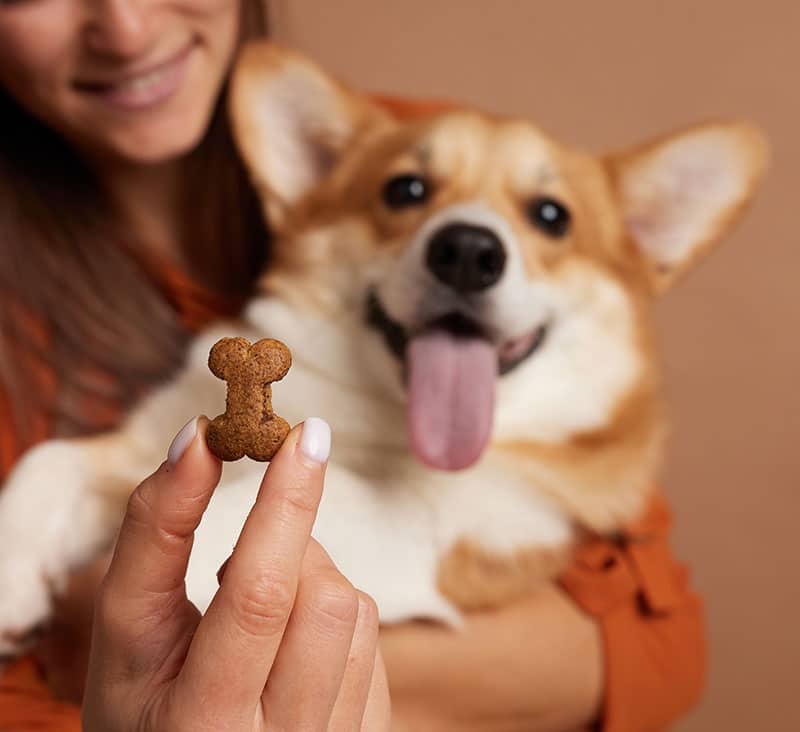
- Small-sized, low-calorie, easy to chew quickly
- Perfect for educational sessions
Healthy biscuits or kibble
- Treats made from meat, fish, vegetables, or dried fruits
- Always check the ingredient list to avoid unnecessary fillers
For cats
Freeze-dried treats
- 100% meat or fish, no additives
- Very appealing to picky cats
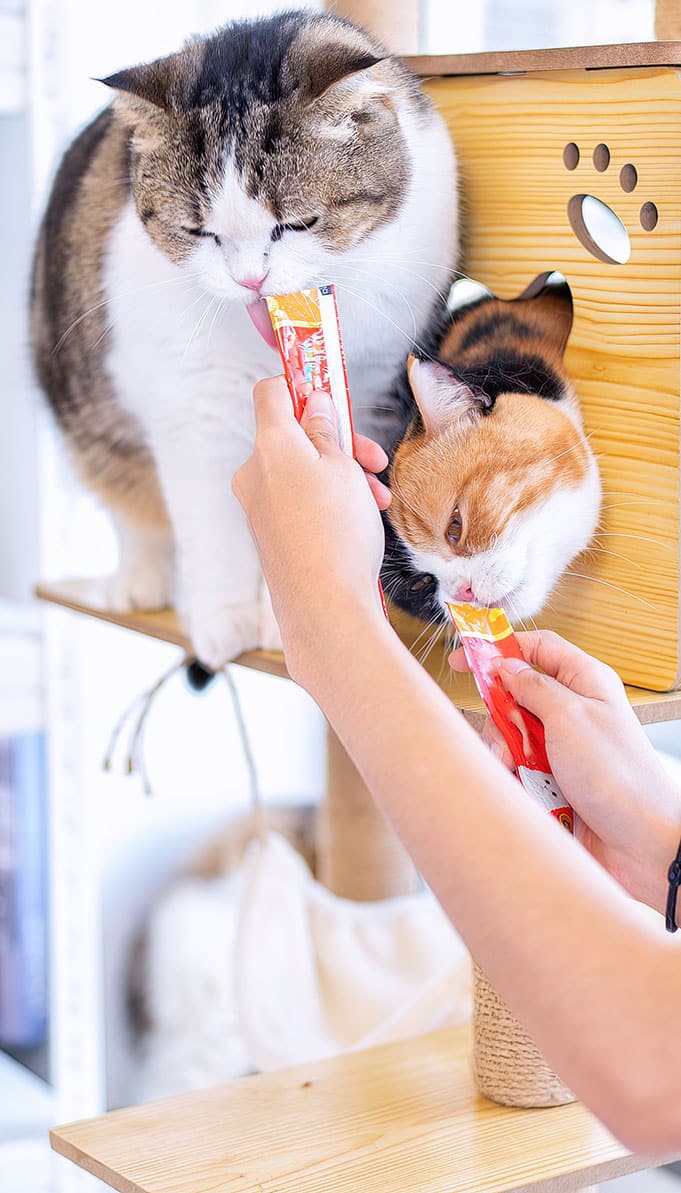
Paste and tube purées
- Great for positive reinforcement training or rewarding after medication
- Watch sodium or sugar content
Dental treats
- Help reduce plaque and tartar buildup
- A useful addition to oral hygiene routines
Treats by physical condition and age
Overweight pets
- Opt for low-calorie treats, rich in fibre or lean protein
- Cut treats into smaller pieces to extend chewing time
- Occasionally offer safe vegetables: small pieces of carrots, green beans, cucumbers (no salt or seasoning)
Senior dogs and cats
- Prefer soft or semi-moist textures if teeth are weakened
- Avoid hard bones, dry tendons, or anything that requires intense chewing
Sporting or highly active dogs
- Can tolerate treats higher in protein and calories
- Ensure proper hydration after activity and choose digestible options
Pets with allergies or intolerances
- Choose single-protein treats (lamb, duck, fish)
- Opt for grain-free, soy-free, dairy-free recipes
- Our experts can recommend hypoallergenic veterinary treats


Alice & George | Gatineau Location
In-store: personalized advice for every pet
At Pitou Minou & Compagnons, we know every dog and cat has a unique story, specific health needs, and individual preferences. That’s why our team is trained to help you choose the treats for dogs and cats that are best suited to your companion.
What we offer in-store
- Natural, hypoallergenic, dental, functional, and educational treats
- Local or homemade products to promote healthy and responsible feeding
- Personalized advice based on weight, age, breed, medical condition, and goals (weight loss, reinforcement, etc.)
- In-store taste tests to discover your pet’s preferences before purchasing
Why trust us?
- We understand the stakes of pet nutrition
- We maintain direct relationships with our suppliers to ensure quality
- We take the time to listen and support you every step of the way.