Table scraps: good or bad?
The need to exercise caution when giving table scraps to dogs and cats
When you live with a dog or cat, it’s completely natural to want to share a bite of your meal or snack. After all, they’re part of the family! But what seems tasty or harmless to humans can be very different for our animals. Their digestive system, metabolism and even their enzymes don’t work like ours, which means some table foods can be beneficial… while others pose a real danger.
At Pitou Minou & Compagnons, we know that providing the best possible diet is part of your everyday care. We’re here to help guide you. In this comprehensive article, you’ll find everything you need to know about safe foods, foods to give sparingly, and the ingredients to absolutely avoid. Whether your goal is to support vision, skin, coat health, allergies or digestion — or simply offer a healthy treat — this guide has you covered.

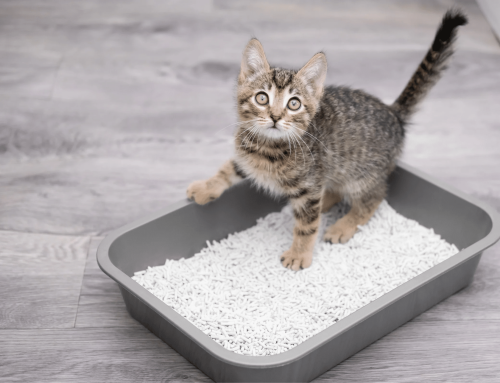
Philou | Mirabel Location
Table Foods That Are Beneficial for Dogs

Paul & Carlo | Ile-Perrot Location
While your dog’s main nutrition should always come from a complete canine formula, certain human foods can be added safely.
1. Lean proteins (cooked, unseasoned)
These provide essential amino acids, support muscle mass and are well tolerated by most dogs.
- Chicken
- Turkey
- White fish (sole, cod)
- Cooked salmon
- Cooked eggs
Benefits:
Improved muscle health, energy, and coat quality (especially thanks to omega-3 in fish).
2. Safe vegetables
Rich in fibre and vitamins, vegetables support digestion and a healthy weight.
- Carrots
- Green beans
- Zucchini
- Broccoli (small amounts only)
- Sweet potatoes (cooked)
- Cucumber
Benefits:
Aid intestinal transit, support the immune system and provide satiety without excess calories.
3. Safe fruits
Offer sparingly due to sugar content.
- Blueberries
- Apples (without seeds)
- Bananas (small amounts only)
- Melon
- Strawberries
Benefits:
Blueberries, for example, are rich in antioxidants that support eye health and immunity.
4. Foods that support skin and coat
- Cooked salmon
- Sardines in water
- Small amounts of fish oil
- Ground chia or flax seeds
Benefits:
Hydrate the skin, enhance coat shine, reduce itching and support cognitive function.
5. Digestive-friendly foods
- Cooked pumpkin (plain, unsweetened)
- Plain lactose-free yogurt
- Cooked white rice
Benefits:
Helpful for dogs prone to diarrhea or constipation.

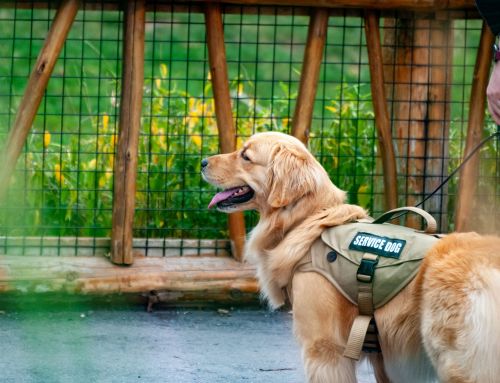
Blondie | Blainville Location

How to Recognize Food Poisoning in Your Pet
Symptoms vary depending on the animal, the amount eaten and the type of food.
1. Common symptoms
- Vomiting
- Diarrhea
- Excessive drooling
- Lethargy
- Tremors
- Difficulty breathing
- Seizures
- Abdominal pain
- Loss of balance or disorientation
- Dilated pupils (common with chocolate poisoning)
2. Symptoms associated with specific poisons
- Grapes: acute kidney failure
- Xylitol: sudden drop in blood sugar, seizures, coma
- Onions/garlic: hemolytic anemia
- Chocolate: agitation, high heart rate, arrhythmias
What to Do If Your Pet Eats Something Toxic
1. Stay calm.
2. Confirm exactly what was eaten and the quantity.
3. Call a veterinarian immediately or an emergency clinic.
4. Never induce vomiting unless a professional instructs you to.
5. Monitor symptoms and note the time of ingestion.
6. Bring the food packaging if available.
IMPORTANT:
In severe poisoning cases, every minute counts. It is far better to seek help for nothing than to miss a real emergency.
Human Foods That Support Coat, Skin, Eyes and Digestion
Here is a summary of the main human foods that can help your pet (in addition to its complete food):
1. For a shiny coat
- Cooked salmon
- Sardines
- Cooked eggs
- Ground flax seed
- Small portion of fish oil
2. For healthy skin
- Omega-3 rich fish
- Cooked squash
- Sweet potato
- Plain yogurt (dogs only)
3. For eye health
- Blueberries
- Carrots
- Sweet potato
- Eggs
4. For digestion
- Pumpkin
- Zucchini
- White rice
- Unsalted bone broth
The Importance of Moderation and Balance
Even safe foods can become problematic if given in excess.
Key reminders:
- Treats, including table food, should never exceed 10% of daily calories.
- Introduce only one new food at a time.
- Always offer foods cooked, plain, unseasoned, no salt.
- Avoid fatty foods (pancreatitis risk).
- Never offer leftovers containing garlic, onion, alcohol or sauce.
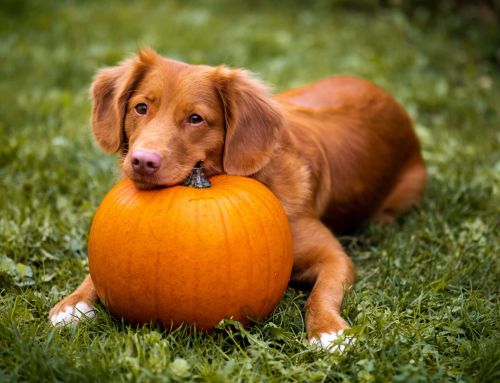
Pumpkin | Kirkland Location
Louis & Arnaud | Brossard Location
When Should You See a Veterinarian?
Seek immediate medical attention if:
- you suspect ingestion of a toxic food;
- your pet vomits more than twice;
- seems weak, confused or trembling;
- refuses to eat for more than 24 hours;
- shows blood in stool or vomit.
Your veterinarian is the best person to assess the situation, provide treatment and adjust the diet if needed.
Our In-Store Advisors: Your Best Resource
At Pitou Minou & Compagnons, our store advisors truly understand canine and feline nutrition. They are here to:
- Help you determine which human foods are safe for your animal’s age and health condition.
- Suggest safer alternatives to table food.
- Recommend healthy, natural treats free from harmful ingredients.
- Provide guidance for pets with allergies, digestive issues or dull coat.
Never hesitate to ask us — we’re here to help you make safe, simple and informed choices.