Raw Food for Dogs and Cats
Everything You Need to Know About Raw Food for Dogs and Cats
Raw food for dogs and cats has gained popularity in recent years due to its many potential health benefits. At Pitou Minou and Compagnons, this natural nutrition option is an important part of our offering, with a wide range of carefully selected products designed to meet the needs of dogs and cats of all breeds and sizes. In this article, we’ll explore raw food in detail, its benefits, the different types available, and Pitou Minou and Compagnons’ commitment to providing high-quality products.
What Is Raw Food for Dogs and Cats?
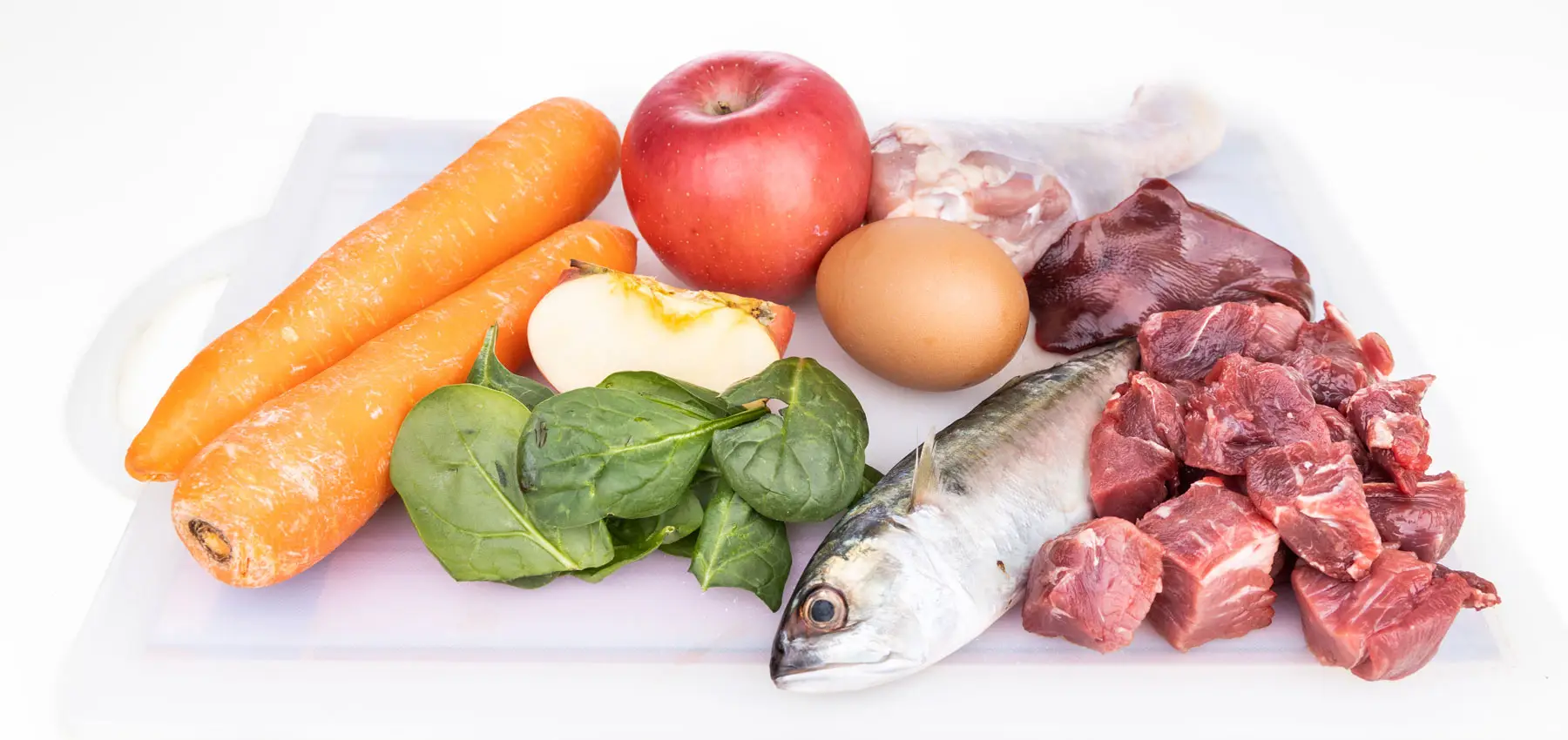
Raw food for pets, often called the “BARF diet” (Biologically Appropriate Raw Food), involves feeding dogs and cats uncooked foods, typically including raw meat, meaty bones, organs, and fresh fruits and vegetables. This diet is designed to mimic the eating habits of dogs’ and cats’ wild ancestors, who consumed fresh prey in their natural environment.
At Pitou Minou and Compagnons, raw food is offered as balanced, ready-to-serve meals, ensuring your pet receives all necessary nutrients without compromising food safety.

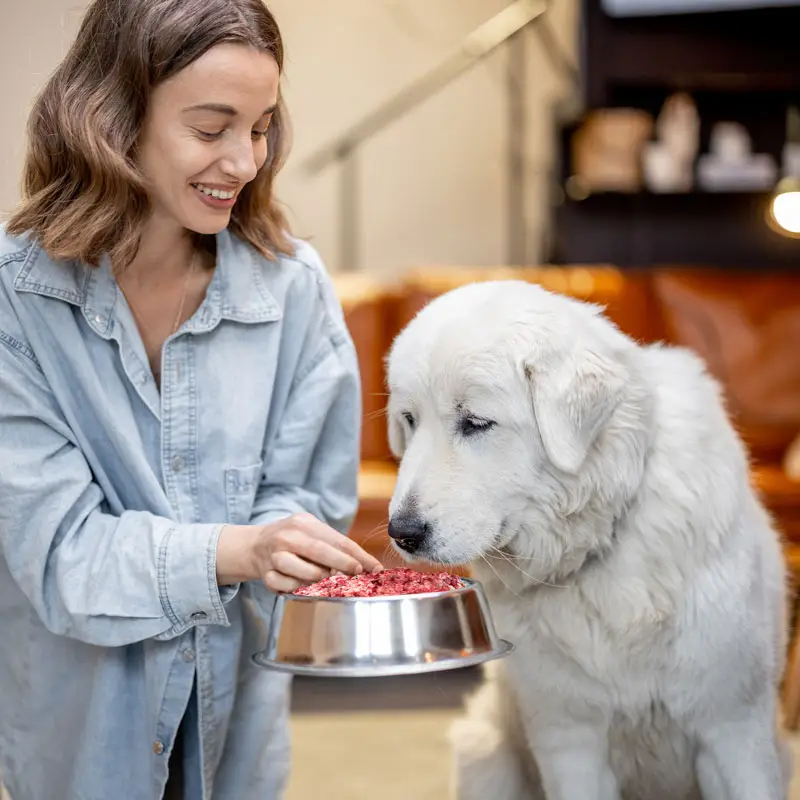
Muzo & Moustache | Lasalle Store

The Benefits of Raw Food
1. Improved Digestion
One of the main benefits of raw food is its positive effect on digestion. Raw meat is easier to digest than processed kibble or canned food, as it contains no synthetic additives or preservatives. Natural enzymes in raw meat also aid digestion. Many pet owners notice fewer gastrointestinal issues, such as bloating, gas, or diarrhea.
2. Better Dental Health
Dogs and cats on a raw food diet often enjoy better oral health. Chewy raw bones naturally help clean teeth, removing plaque and tartar. This mechanical action helps prevent gum disease and bad breath. Chewing also stimulates the gums, improving blood circulation in the area.
3. Shinier Coat and Healthier Skin
Raw food can improve the appearance of your pet’s coat and skin. Meat, particularly organs and animal fats, is rich in essential fatty acids like omega-3 and omega-6, which are crucial for skin health and coat shine. Many owners report softer, shinier coats and less shedding after switching to raw food.
4. Reduced Food Allergies
Food allergies are common in pets fed processed kibble, often due to low-quality ingredients, grains, or additives. Raw food avoids these ingredients, reducing the risk of allergic reactions. High-quality protein sources and the absence of fillers like wheat or corn can help alleviate itching, skin irritation, or digestive issues.
5. Increased Energy and Vitality
Pets on raw food diets often show higher energy levels and improved vitality. Nutrients are more bioavailable, providing high-quality protein and healthy fats, which help maintain muscle tone and activity levels. Active dogs or lethargic cats often show noticeable improvements.
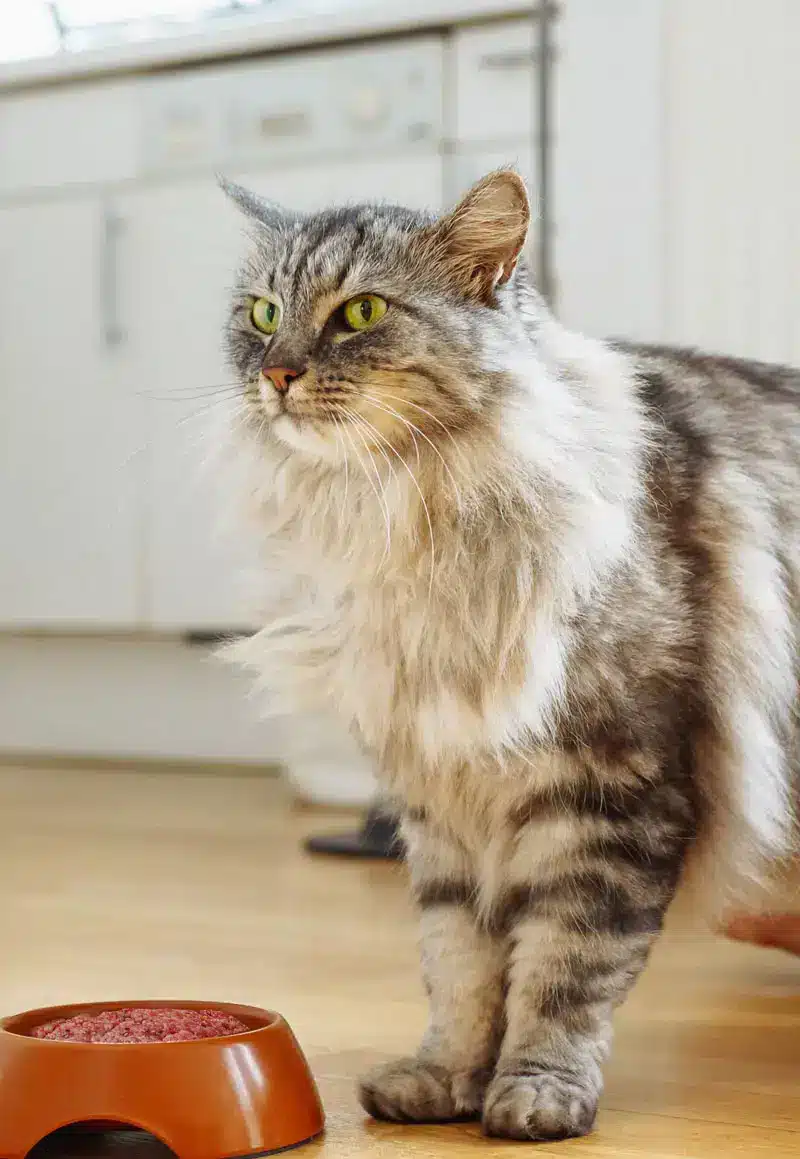


Bully Boy | Kirkland Store

How Pitou Minou and Compagnons Ensures Product Quality
Quality is a top priority, especially for raw food, where food safety is crucial. Brands offered in our stores are carefully selected for production standards, ingredient sourcing, and hygiene compliance.
1. Ingredient Sourcing
High-quality ingredients from responsible sources, often locally or organically raised, ensure freshness and traceability. Some brands use meat from animals raised without antibiotics or growth hormones, maximizing nutritional value.
2. Strict Safety Controls
Raw food requires careful handling to prevent contamination. Our brands follow rigorous safety protocols, including freezing at specific temperatures to eliminate pathogens. Products undergo regular testing for bacteria like Salmonella and E. coli.
3. Packaging and Storage
Raw food at Pitou Minou and Compagnons is carefully packaged to preserve freshness and nutrients. Most products are frozen for optimal shelf life and can be easily thawed in daily portions.
Introducing Raw Food to Your Pet
When switching your dog or cat to raw food, do it gradually to avoid digestive upset:
- Start Slowly: Mix a small amount of raw food with your pet’s current diet, increasing the proportion gradually over several days.
- Monitor Reactions: Watch for digestive issues like vomiting or diarrhea, and slow the transition if necessary. Consult a vet if needed.
- Vary Proteins: Once accustomed, rotate protein sources to provide a balanced and varied diet.
Princesse | Succ. Store