Myth 1: Kibble is enough to clean teeth
Many owners think that kibble naturally cleans teeth.
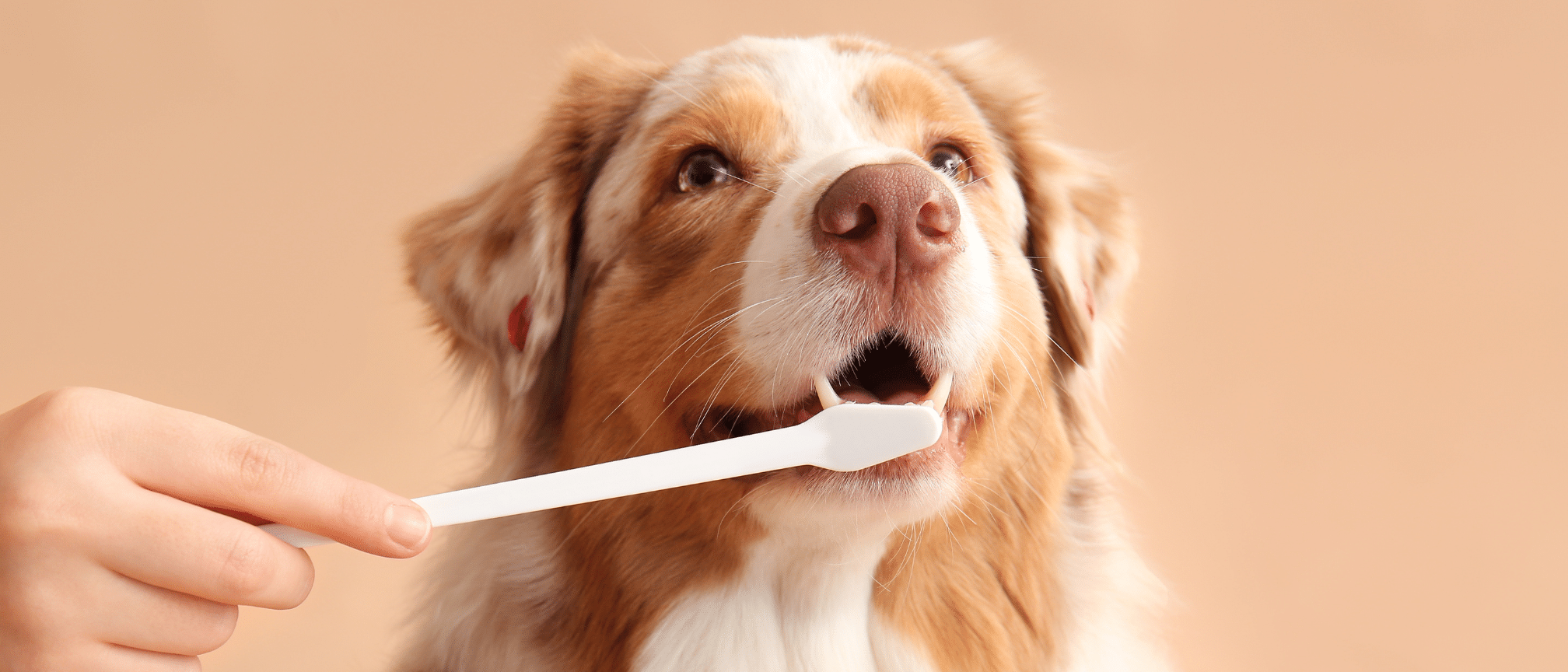
In reality, its mechanical action is limited, especially against plaque at the gum line. Plaque forms quickly after each meal. If not removed, it mineralizes into hard tartar that only a professional can remove. This is why regular brushing remains the best prevention.
👉 Expert tip: To complement dental hygiene, check out our selection of products in one of our 44 Pitou Minou & Compagnons stores.
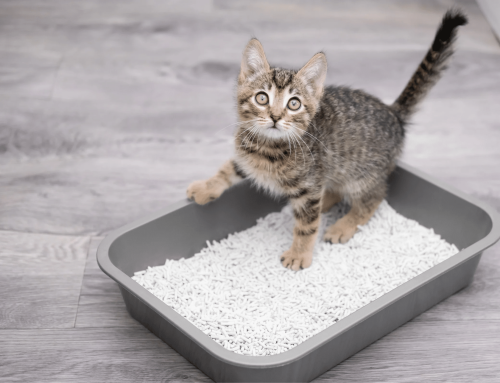
Myth 2: Cats don’t need dental care
In cats, dental disease is just as common as in dogs. Many owners do not realize that felines can develop stomatitis, tooth resorption, or periodontitis well before adulthood.
Signs to watch for:
- Reduced appetite for hard kibble
- Food residues around the mouth
- Grinding or frequent licking of the lips
Regular oral exams, combined with brushing adapted for cats, prevent inflammation of the gingival tissues and slow bacterial accumulation.

Myth 3: Dental problems only affect older dogs
Dental disease is not only age-related. Even young dogs and cats can develop plaque quickly.
At Pitou Minou & Compagnons, we often remind owners that jaw shape and the narrower mouths of small breeds (like Yorkies or Shih Tzus) increase the risk of early tartar formation.
Myth 4: Bad breath is normal
A slight odor can happen, but persistent bad breath is never “normal.” It is often the first sign of bacterial plaque or gum infection. Once bad breath becomes chronic, a full exam is recommended, as it may indicate gingivitis or advanced periodontitis.
Myth 5: No need for regular veterinary check-ups
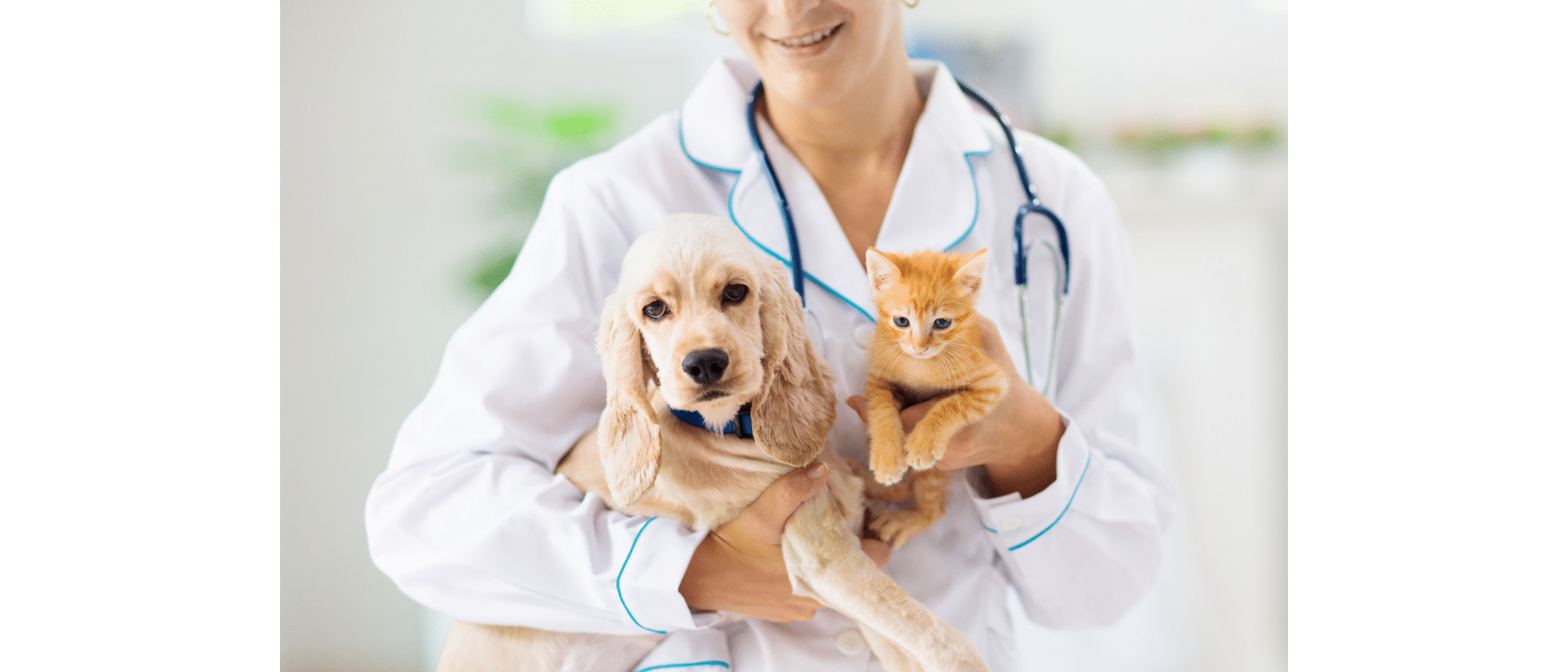
Even without visible symptoms, annual veterinary exams are essential. Professionals can detect underlying problems invisible to the naked eye. A check-up is recommended if your pet has gum bleeding or pain while chewing. This allows intervention before bacteria reach other organs through the bloodstream.
Myth 6: Animals don’t feel dental pain
Dogs and cats hide pain instinctively. Oral pain can manifest through subtle changes: refusing a hard treat, avoiding chewing on one side, or excessive drooling. Many animals with periodontal disease show no obvious signs to their owners, even if symptoms have been present for months.
Myth 7: Professional cleaning is unnecessary
Veterinary cleaning (scaling) is an essential preventive treatment. It removes subgingival tartar and often includes X-rays to check the roots. Without it, plaque can progress to deep bone infection around the tooth.
Myth 8: Chew toys are enough to replace brushing
Dental toys are an excellent complement, but they do not replace regular brushing.
How to optimize prevention according to Pitou Minou & Compagnons:
- Use the Paw Ready dental kit, available in our stores, which includes brushes and the BiteBlock for easier brushing. You can also incorporate a Buco+ dental care product to help support your pet’s oral health as part of the routine.
- Add chew bones like Animora or Bone a Mints to encourage chewing.
- Always combine these tools with a regular brushing routine.
Myth 9: If there’s no visible sign, there’s no problem
Many diseases start beneath the surface. Subgingival plaque can cause deep inflammation before you notice anything. Regular monitoring (feeling gums, smelling breath) helps detect early abnormalities.
Myth 10: At-home dental care is too complicated
With the right tools, taking care of your pet’s teeth is simple, even for reluctant animals.
Tips from our in-store advisors:
- Use a double-headed toothbrush to reach all areas.
- Include the Paw Ready BiteBlock, which protects your fingers while allowing comfortable brushing.
- Apply Buco+ enzymatic toothpaste, which cleans and freshens breath without rinsing. These simple steps preserve your pet’s overall health.