Why is spring the “red season” for parasites?
It is often mistakenly believed that Quebec winters permanently eliminate insects. However, this is a persistent myth that deserves clarification. Cold temperatures may slow activity but do not stop it entirely.
Thermal awakening and annual protection
First, it’s important to know that fleas and ticks are extremely resilient. Ticks enter dormancy under leaf litter, while flea larvae stay warm indoors, in our homes or garages. Once the ground warms, they actively seek a blood meal. Therefore, prevention should begin well before the heat to prevent your pet from becoming a target.
Moisture and proliferation
These parasites also thrive in spring humidity. Eggs hidden in protected environments hatch massively with snowmelt. Additionally, wildlife deposits larvae near your yard, increasing the risk of cross-infestation in your property.
Planning ahead: the importance of a prevention schedule
Although these pests are often associated with summer, the reality on the ground is different. Waiting for the first signs of scratching is a costly strategic mistake for your pet’s health.
Timing: By mid-March, it is crucial to check your preventive product supplies. Since ticks become active early, being prepared helps avoid bites during initial forest walks.
Consistency: Protection is not a one-time event but an ongoing process. We recommend noting treatment dates on your calendar.
Multiple pets: If you have several animals, treat them simultaneously. Otherwise, one could serve as a reservoir and reinfest its companions despite your efforts.
Fleas: the stealthy invaders
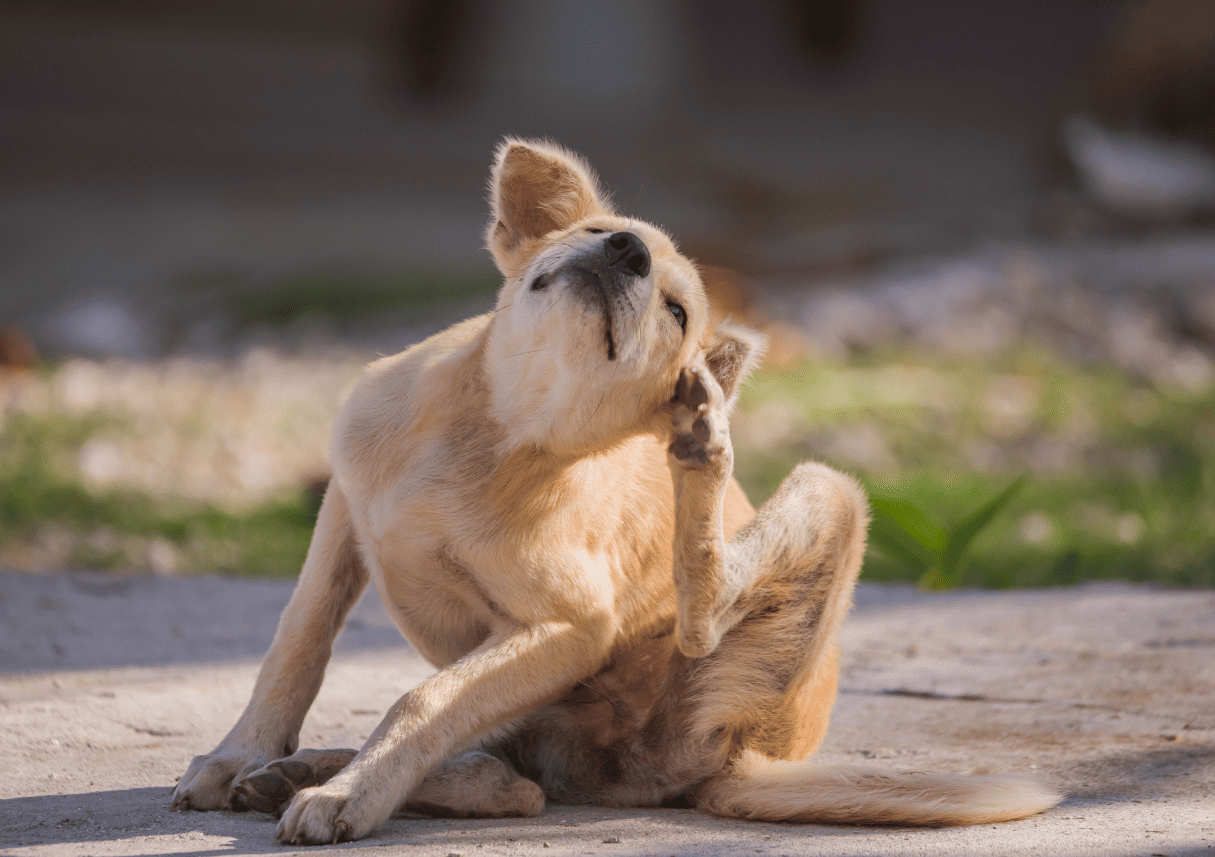
Fleas are experts at multiplying. In our specialty stores, we often see households overwhelmed by infestations that could have been prevented with a simple treatment.
Understanding the parasite life cycle
To combat these insects effectively, it’s crucial to understand their life cycle. A single female can lay up to 50 eggs per day.
Flea saliva often causes severe allergic dermatitis.
Their reproduction cycle is so fast it can quickly spiral out of control.
Using appropriate products from Pitou Minou & Compagnons can stop this process before a long-lasting infestation develops.
Ticks: the threat of Lyme disease
While fleas colonize the home, ticks threaten your dog or cat’s overall health. This duo poses a double challenge to the immune system.
A silent danger in Quebec
Lyme disease is a documented reality in Quebec. Ticks also transmit anaplasmosis. Unlike fleas, ticks do not jump—they wait patiently in tall grass. Using a tick remover and performing careful inspections are your best defenses. Combining vigilance with targeted products drastically reduces the risk of veterinary complications.
Debunking common myths
Some persistent myths include:
“My indoor cat is safe.” False. Eggs can be carried on shoes. Protection is essential, even in an apartment.
“Natural products don’t work.” There’s nuance here. Natural products (essential oils, diatomaceous earth) are excellent supplements. However, for already infested areas, a stronger solution from your specialty store is recommended.
Shopping guide at Pitou Minou & Compagnons
Relying on specialty stores like ours ensures expert advice you won’t find in big-box stores.
Cutting-edge solutions
Topical treatments offer a highly effective barrier:
- K9 Advantix II: Ideal for adventurous dogs; kills and repels ticks, fleas, and mosquitoes on contact.
- Advantage II: Quickly eliminates fleas on cats and dogs, acting on eggs, larvae, and adults.
- Seresto Collars: Convenient option providing up to 8 months of continuous protection.
Natural and mechanical approach
Some owners prefer complementary methods:
- Natural products: Essential oil sprays or diatomaceous earth for home environments (carpets, beds).
- The TropiClean Natural Shield range: A natural solution to protect your pet from parasites while being gentle on their skin and coat. Ideal as a complement to conventional treatments or for those who prefer gentle, natural alternatives.
- Essential tools: Tick removers and fine-tooth combs remain your best allies for early detection after walks.
Post-walk inspection: the expert method
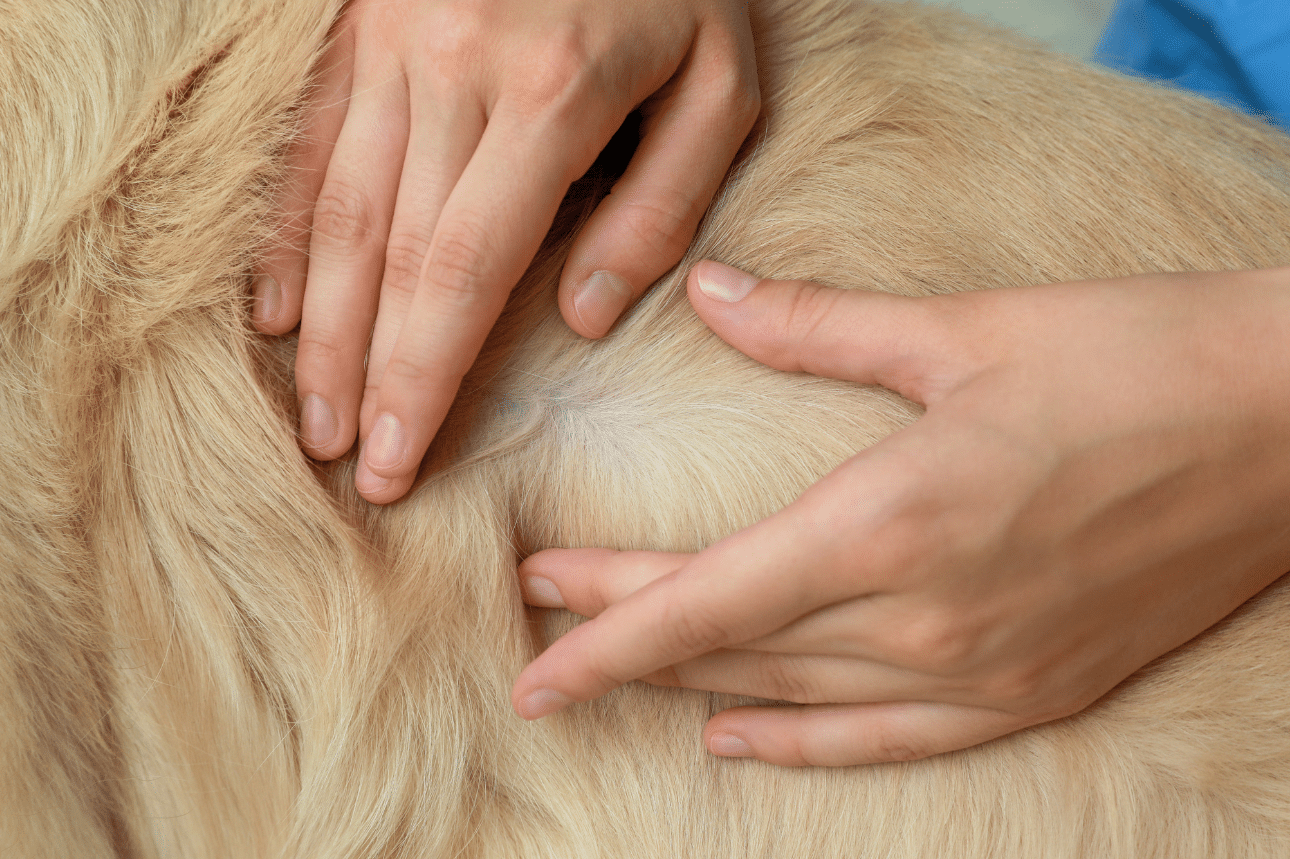
Take 5 minutes after every outing to check critical areas:
Between the toes and paw pads
Inside the ears
Underarms and groin
Around the collar
Using a flea comb helps detect invisible signs in dense fur.