Dominant Dog Behavior?
Understanding, managing, and reinforcing a balanced relationship when your dog shows dominant dog behavior.
Does dominent dog behavior sometimes surprise or confuse you? Does he act protective of your child, come between you and your partner, growl when voices are raised, or react strongly to sudden noises? These signs are often interpreted as dominance—but what’s the real story?
At Pitou Minou & Compagnons, we know that every dog is unique. Rather than labelling behaviour as “good” or “bad,” it’s essential to understand its origins, triggers, and the real intent behind your companion’s actions. The key is to turn these dominent dog behavior patterns behaviours into constructive ones, while avoiding patterns that may harm family safety or harmony.
Anna & Fred | Brossard Location
What is a “dominant” dog?
William & Andrea | Ville St-laurent Location
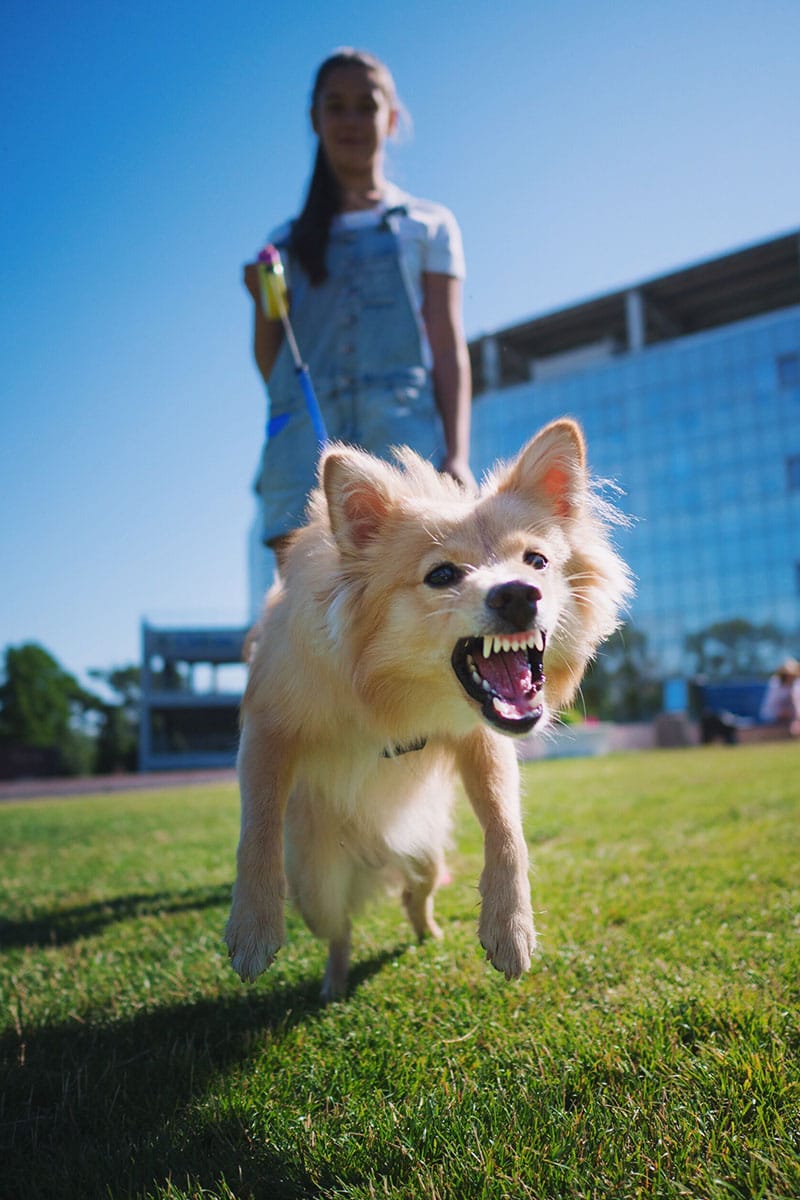
The word dominance is often misused. In reality, a so-called “dominant” dog is one that tries to manage their environment—sometimes because they’ve not been given clear boundaries, sometimes out of a protective instinct, or simply because they don’t understand the family structure.
Dominance itself isn’t inherently negative. What matters is that you remain the kind and confident leader, and your dog feels reassured and guided within a clear hierarchy.

Maya & Sophia | Contrecoeur Location
Gaston | Brossard Location

Reactions to a Sick Child
Dogs are extremely sensitive to changes in scent, behaviour, or emotion. When a child is unwell:
- The dog may become calm and composed, as if recognizing the child’s fragility.
- They may refuse to leave the child’s side, lie down near them, stop eating or playing while the child is unwell.
- In some cases, they may show agitation or anxiety if they sense stress in the home.
These reactions should be positively managed: reassure the dog, keep their routine steady, and include them in the dynamic without overexciting or isolating them.
Yelling and loud noises: a common trigger
Sound sensitivity
Many dogs react strongly to yelling, loud noises, or unusual sounds: vacuum cleaners, alarms, loud music. A dominant or anxious dog might:
- Bark
- Run around the room
- Try to “control” the source of the noise
- Get between people
It’s important to gradually desensitize your dog to these sounds, pairing them with neutral or positive experiences.
What to avoid:
- Punishing the dog for instinctive reactions
- Fueling excitement by yelling or forcefully pushing them away
- Letting the dog control social interactions
Understanding emotional triggers
What we call “dominant” behaviour may in fact be a response to unmanaged stress. The dog may feel the need to “take control” because they don’t perceive clear leadership.
Common triggers include:
- Changes in routine
- Emotional tension at home
- Inconsistent training
- No clearly defined rest zones
It’s helpful to reassess your dog’s environment, routines, and the clarity of your house rules.
Creating a reassuring framework for your dog
1. Reinforce basic rules
- No access to the bed or couch without permission
- Teach basic commands: sit, down, bed, leash
- Reward calm, non-intrusive behaviour
2. Define their own space
At Pitou Minou & Compagnons, we carry a wide selection of beds, cushions, crates, security blankets, and calming mats to give your dog a dedicated, peaceful space away from household chaos.
3. Work on emotional regulation
- Use chew toys or treat-dispensing puzzles to redirect attention
- Offer natural calming treats and products (valerian, pet-safe CBD)
- Encourage mental stimulation and focus-based exercises
Our experts can recommend accessories and functional foods to support emotional management in dominant or anxious dogs.
When to seek professional help
A dog that growls, nips, physically asserts dominance, or becomes overly controlling may need the help of a behavioural trainer. The goal isn’t to “break” dominance but to channel instincts and strengthen good behaviour.
At Pitou Minou & Compagnons, we can refer you to certified specialists and recommend helpful tools (training leashes, gentle training collars, mental stimulation toys, etc.).
What you’ll find in-store to help
Our recommended products
- Orthopedic beds and comfortable resting areas
- Lines of natural calming products (tablets, sprays, diffusers)
- Low-calorie training treats
- Enrichment toys to redirect controlling behaviour
- Properly fitted walking collars and harnesses for better mobility control
Our personalized advice
- Needs analysis based on your dog’s breed, age, and temperament
- Practical tips for establishing or re-establishing a balanced routine
- Support in choosing the right training tools
- Referrals to behaviour experts if needed
Clara & Oreo | Mont-Laurier Location
You can earn Air Miles® points for every purchase!